
Let’s be honest, gardening is an incredibly rewarding interest but it can all feel very overwhelming sometimes, even to experienced gardeners such as myself. You and I both know there are too many seed companies to sort out and too many seed choices to sift through. If you are still flipping through catalogs or adding to your cart this year, don’t panic.
So let’s keep it simple. I have done the dirty work for you this time. Don’t count on me showing up to weed for you later though, that’s on you. Here is my guide to the top 10 flower seed companies you should be exploring.
Take a look at this quick comparison table of my favorite 10 flower seed companies for the home gardener. All brands on this list have Organic, Non GMO, and Heirloom varieties!
| Company | Germination Rate | # Flower Varieties | Price Per Pack Online | In Brick & Mortar Stores? | Non Neonic Seeds Available |
|---|---|---|---|---|---|
| Ferry Morse | Somewhat variable at 50-90% | 100+ | $3+ | Yes, widely | Yes |
| Botanical Interests | Usually 90% or higher | 600+ | $2+ | Yes | Yes |
| SwallowtailGarden | Very high at 90-100% | 200+ | $4-$7+ | No | Unlisted? |
| Renee’s Garden | Consistently over 90% | 200+ | $3+ | Some Stores | Yes |
| Baker Creek | At least 80% | 500+ | $3+ | Some Stores | Yes |
| Eden Brothers | Inconsistent and variable | 600+ | $5+ | No | Yes |
| Seed Savers Exchange | 70%+ on average | 100+ | $4+ | Some Stores | Yes |
| Sustainable Seed Company | Unspecified but ‘state compliant’ | Around 300 | $3+ | No | Yes |
| Johnny’s Selected Seeds | 90-100% on average | 500+ | $4-$7 | No | Yes |
| Burpee | At least 75% | Around 300 | $5+ | Yes, Widely | Yes |
Now, let me fill you in on the strengths of each company so you can determine which one of my favorites is right for you!
1. Ferry Morse
The oldest operating seed company that has been in operation since 1856.
Ferry Morse is relatively affordable, available almost everywhere, and has more than enough variety for the average home gardener. My friends and I joke that this brand is the Gateway to Gardening. You might be surprised to know the number of gardeners like us that started what would become a lifelong passion with just a few Ferry-Morse packets that we picked up on a whim at the checkout aisle.
I have a ton of Ferry Morse seeds, and why wouldn’t I? They’re inexpensive and easy to grab whenever I run into the store and end up drifting towards the seed aisle.
I also love that all of their seeds are non-neonic, which means they are never exposed to insecticides. If I am planting flowers it is always with pollinators in mind so that is important to me.
Beginners and budget conscious gardeners should consider Ferry Morse because of the high quality seeds they have at such a reasonable price point. This is also why the majority of the seeds in my album are from Ferry Morse. In my opinion, if the end product is the same there is no reason for me to spend triple the amount on the same seeds.
2. Botanical Interests
Based in Colorado since 1995.
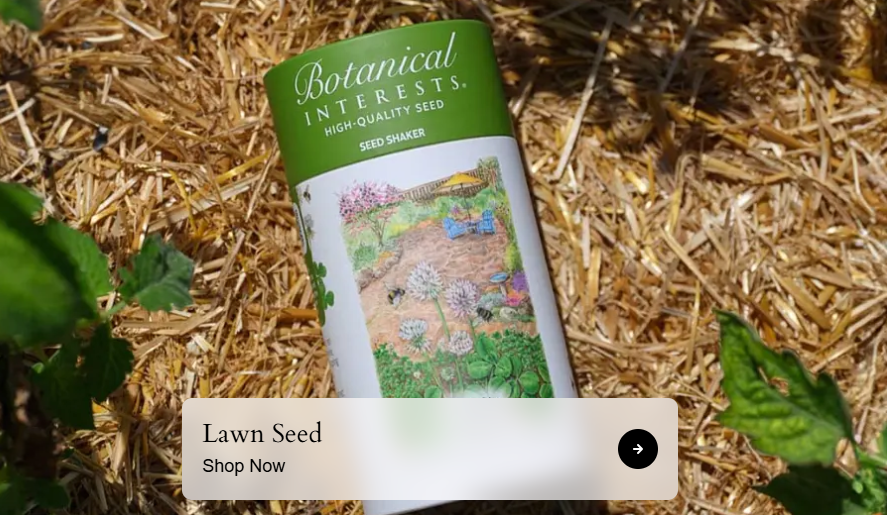
Botanical Interests is probably my personal all-around favorite if I want to spend a little extra cash and indulge in a more premium product. Their product hits that rare balance of availability and variety while still being affordable. Their seed packets are illustrated by hand and they contain tons of growing and planting information that is genuinely helpful for the beginning gardener.
Botanical Interests has become very popular with backyard flower gardeners and I personally am obsessed with their seed shakers. There are 14 different themes available packed with tens of thousands of flower seeds each.
The main complaint I have with Botanical Interests is that they’re only sold online. I wish they were available in stores like Burpee and Ferry Morse. I want to walk in somewhere and pick up everything I need for a project the second I think of it, so the delay is a real downer. I hate the anticipation of having to wait on seeds to arrive through snail mail.
3. Johnny’s Selected Seeds
Grown organically for over 50 years in Maine.
This company is 100% employee owned, so when you buy from Johnny’s you know that the people behind your seeds really care. They are community oriented and the focus is on producing incredible seeds and a matching customer experience.
Their product is a little more expensive, but very much still worth it if you care about strong germination and reliable results. They have almost as much variety as Ferry Morse and Botanical Gardens, and consistently deliver some of the highest-quality, best-performing seeds on the market.
To me, Johnny’s fits the bill for a serious cut flower gardener dreaming of filling a booth at the farmer’s market.
4. Renee’s Garden Seeds
Seeds since 1998. Based out of California.
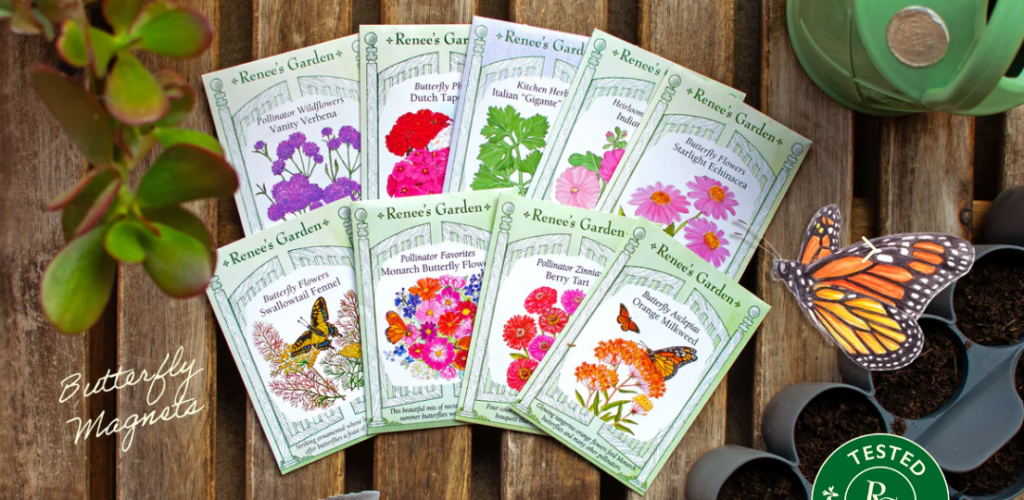
For home gardeners who want beauty and simplicity, Renee’s Garden Seeds stand out with curated, easy-to-grow flower selections that are especially appealing for cottage-style pollinator gardens. Their collections feel more thoughtfully selected for impact rather than scrolling through overwhelming numbers.
Renee’s packets include watercolor illustrations, detailed planting instructions, growing tips, harvesting info, cooking suggestions, and even design guidance for things like flower blends. This amount of support directly improves your success rate as a gardener and makes the whole process easier and more enjoyable.
Everyone at Renee’s Garden actually eats the produce they grow in their trial gardens as a significant part of their diets (Yes there are many types of flowers that are edible!), so you know they have confidence in what they do.
5. Baker Creek Heirloom Seeds
Seed Saving Since 1998 in Missouri
Baker Creek is one of my favorites as well. They have a very large variety of unique heirloom flowers to the table that you might not find in other places.
Every year regardless of what seeds I am searching for, I try to buy something from Baker Creek to support their mission. They are dedicated to providing sustainable, heirloom seeds, preserving seed diversity and promoting food security. They encourage seed sharing, saving, and trading in the pursuit of food sovereignty for everyone.
You do need to check reviews on individual varieties of flowers, however. Some rare varieties that aren’t purchased that often have low germination rates and missing seed packet instruction.
6. Burpee
Supporting gardeners in America since 1876.
Burpee is another historic brand like Ferry Morse that I remember seeing on the shelves of my grandparent’s garden house. It earns its spot on my list of go to flower seed companies because of its wide accessibility and a dependable, middle-of-the-road performance. You can find them almost anywhere you find Ferry Morse and you can trust them to get the job done.
I have to say I’m not really a huge fan of the seed packets though. I just find them to be a little lackluster and they don’t include all the information that Ferry Morse does.
7. Eden Brothers
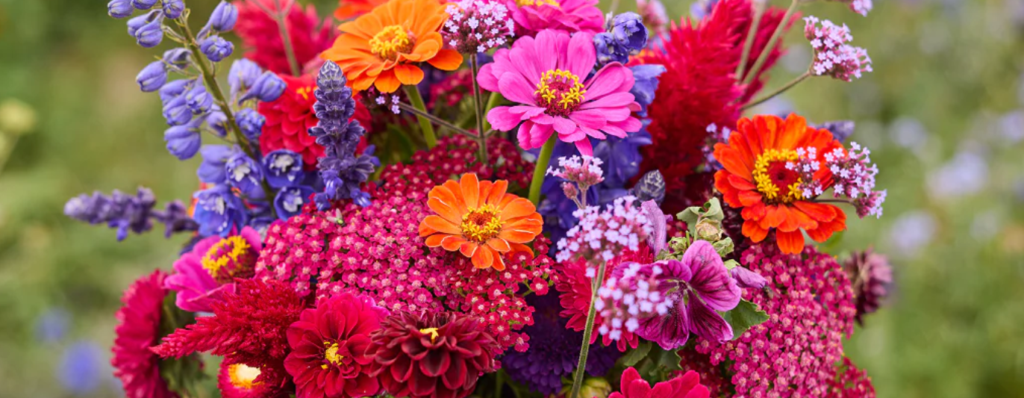
Acting seedy since 2009 in North Carolina.
Eden Brothers has an incredibly large flower catalog. It is easy to tell they are especially geared toward flowers and if I can’t find something anywhere else I know they will have it.
When I order from Eden Brothers I always make sure to throw in a wildflower mix or two. I love that I can choose from mixes according to the purpose that I want them to serve in my garden. Need a wildflower mix that will attract more birds and butterflies? Resist and deter deer? Attract bees? Control erosion? They’ve got one for that. They even have curated wildflower mixes assembled for every state in the US!
I do always look at the reviews for the individual flower variety before I purchase though due to occasional customer reviews citing low and undependable germination rates.
I only wish Eden Brothers had a brick and mortar location, but like most premium seed companies on my list they are online available through online orders.
8. Seed Savers Exchange

Grassroots beginnings in Missouri in 1975.
Seed Savers Exchange had their first swap in 1975 between only 30 gardeners using a handwritten 6 page list. Today they are considered the nation’s largest nongovernmental seed bank with around 20,000 varieties!
Seed Savers Exchange guarantees a slightly lower germination rate than most of the other companies on my list. I don’t think this is due to lower standards or lower quality, but because of the insanely wide range of varieties of flowers, fruits, and vegetables they have in their catalog.
That being said, I always order seeds from Seed Savers Exchange every year because I love their mission and I want to actively support preserving older heirloom varieties and seed biodiversity.
9. Sustainable Seed Company
Your Non GMO seed source since 1974.
They are on a mission to make gardening feel accessible to everyone and I love that. Sustainable Seed Company concentrates on providing resources, starter kits, and guides so that everyone can experience the joy of growing regardless of whether they live in an apartment or on the family farm.
I will tell you something about a personal experience I had with SSC that I was very impressed by this year. I ordered one of their seed collections in 2015 that came in a sealed bag with almost 100 varieties. On a whim this spring I decided to use about 5 different seed packets from that collection because I did not have those varieties anywhere else and I didn’t really want to do a new order.
Every single seed I planted from that 2015 bag germinated and grew into a healthy seedling ten years after my initial purchase!
I wish SSC seeds were found in brick and mortar stores but I do really enjoy the way their website is organized. Everything has its own category and there is a seed legend so that you know exactly what you are getting. Scrolling through a website that is so easy to use makes my brain happy.
10. Swallowtail Garden
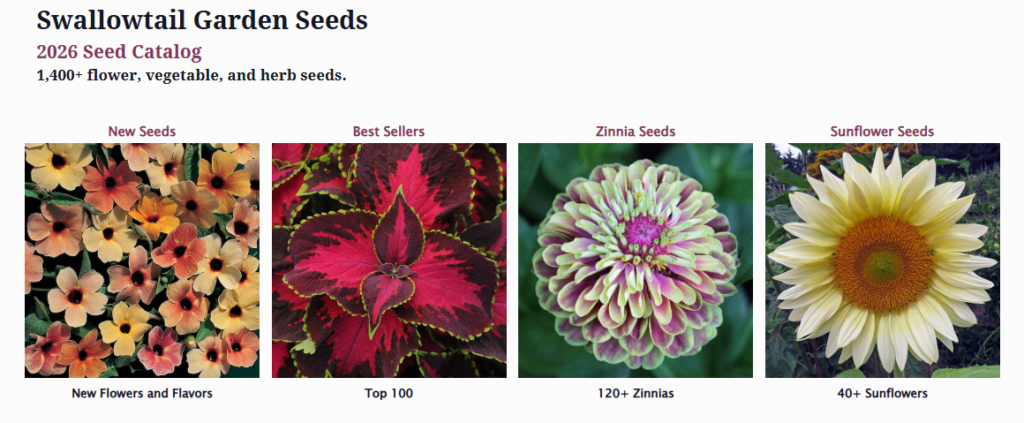
Seeds from Santa Rosa Since 1998.
One of my favorite places to search for hard-to-find flower varieties and unusual niche ornamental selections I can’t buy anywhere else.
Swallowtail Garden has an incredible seed quality and germination rate, and a competitive number of different flowers. I really like that on their website they categorize their flowers into annuals, perennials, flowering vines, and bulk options. That makes it very easy to visualize what I need and find it without wasting time scrolling.
However, I admittedly usually check here last because the seeds hit a price point that many home hobby gardeners cannot afford, and the company does not guarantee that their flower seeds are non-neonic.
Before You Buy: What to Know About Flower Seeds
Before you begin buying, there are a few things that you need to make sure you know:
Understanding Seed Categories: Non-GMO, Organic, and Heirloom
Finally, keep in mind what category of seed you are buying. These labels get mixed up constantly, so here’s what they actually mean:
- Non-GMO: These seeds were not genetically engineered and contain no manipulated DNA from another organism.
- Organic: These seeds have not been exposed to synthetic chemicals, pesticides, or herbicides. Organic seeds are always also Non-GMO, but Non-GMO does not automatically mean organic.
- Heirloom: Non-GMO seeds that have been naturally pollinated and traditionally passed down over generations. Heirloom plants produce seeds you can save and replant, and they will always give you the same flower. They are not hybrids.
- Hybrid: Created by crossing two different parent plant varieties to boost traits like faster growth, disease resistance, or larger blooms. Seeds saved from hybrid plants are unreliable and will not typically produce the same plant again.
Now that you have decided on the characteristics you are looking for in your flowers, let’s talk about the criteria we are most concerned with that makes a seed company worth buying from.
Germination Rates and Why It’s Important
A seed’s germination rate is the percentage of seeds in that batch that sprout successfully within a certain time frame. This basically tells you how many seeds will successfully give you a good healthy seedling.
Obviously you want this number to be high – around 90% is ideal but above 80% is acceptable. You don’t want to be paying for seeds that have a poor chance of ever giving you a plant.
Reliability is everything and we expect high quality from a reputable seed company.
Seed Packet Quality: What to Look for When You Buy
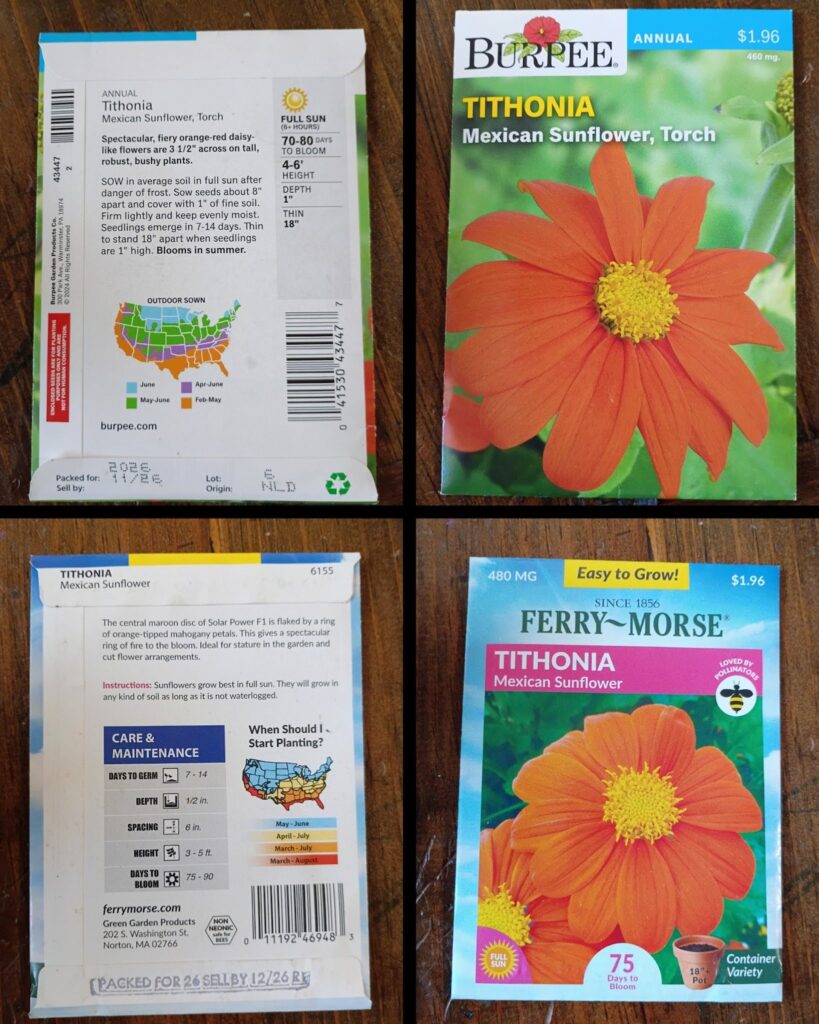
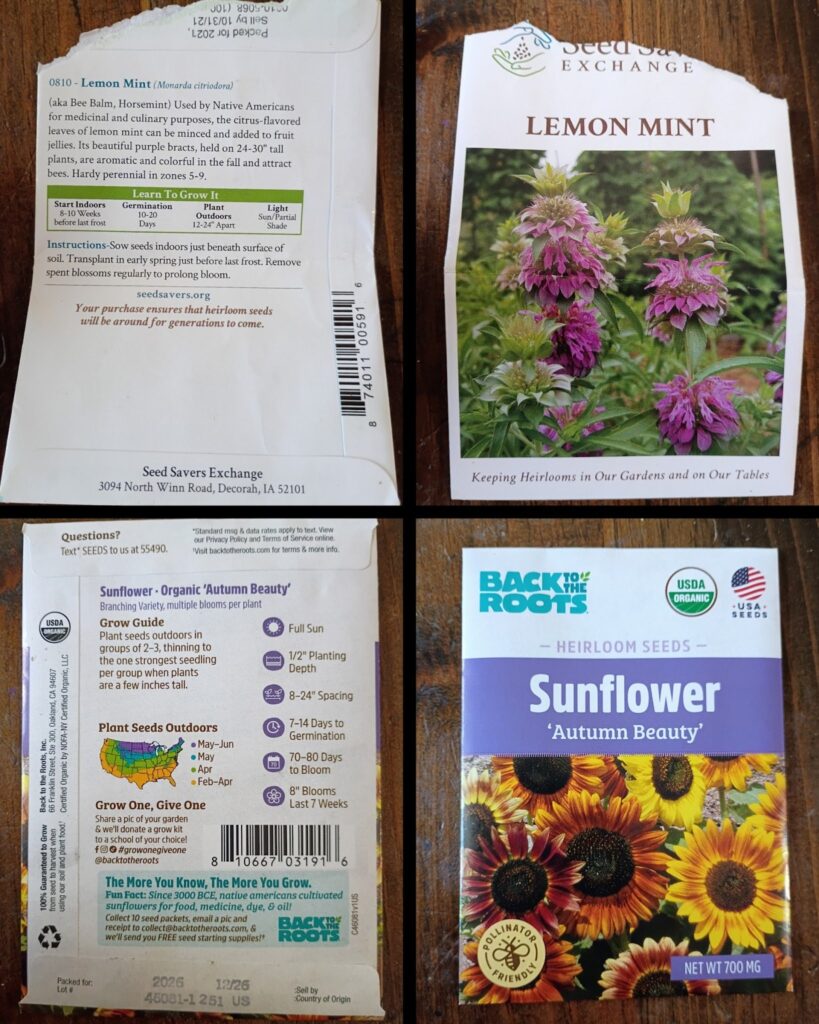
The seed packet itself might seem like a smaller detail but it is actually a very good indicator of the overall quality and reliability of the company you are purchasing from.
A high quality seed packet should be well thought out, aesthetically pleasing, and contain all the information that you need to successfully plant and care for that flower – a tiny instruction manual specific to that variety.
I always look for the following in a seed packet from a high quality, reliable company:
- Durability
- Color illustration of flower
- Specific acceptable growth zones listed for this plant
- Watering preferences of the plant
- Nickname and scientific name of the flower species
- When to start (indoors vs. direct in ground outdoor sowing)
- Sunlight requirements
- Soil temperature requirements
- Days to germination
- Spacing suggestions / mature size expectations
Without vital care information that you need, even great seeds can be caused to underperform.
If a company is willing to cut corners on their seed packet then it is reasonable to believe they will be willing to do so elsewhere as well.
Pollinator-Friendly Seeds: Non-Neonic Options and Native Varieties
If you are buying flower seeds specifically for a pollinator garden it is important that pollinator friendly varieties are available.
How many native or regionally adapted plants are available for your growth zone?
Another very important option to be considered is the availability of non-neonic seeds. These have not been coated with neurotoxic insecticides designed to kill insects that feed on the plant.
They are favorable for supporting pollinators and beneficial insects because they lack the toxic residue that permeates the entire plant, including the pollen and nectar.
Seed Variety: Finding a Company That Grows With Your Garden
Variety is a clear indicator of how useful a seed company is going to be to you over time.
- Is there a sufficient number of flowers available for your growth zone?
- Are there heirloom and rare options to choose from?
- Are you looking to grow cut flowers?
- Do you prefer native, non GMO, or organic plants?
- Are you looking for only certain colors for a themed aesthetic garden?
A well established reputable seed company should have all of these things and maybe some options you haven’t thought of yet.
Price vs. Value: How to Get the Most Seeds for Your Money
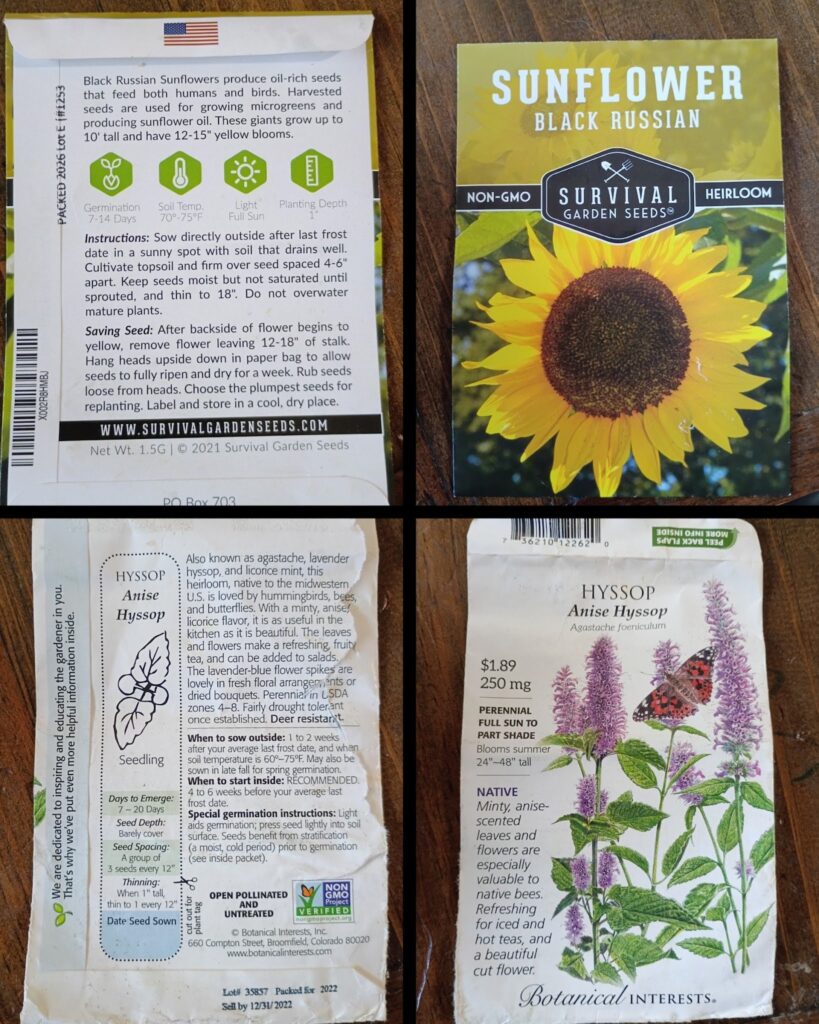
Before anything else, know that the sticker price on a seed packet doesn’t tell the whole story.
Two companies might both charge $4.00 a packet, but one might have 50 seeds while the other gives you 150. That’s a dramatic difference in cost per plant and ground coverage, and it’s easy to miss if you’re only glancing at the price.
It’s also worth knowing that packets from brands like Ferry Morse and Burpee will be significantly cheaper bought in person at a big box store than ordered online.
For example, the Tithonia packet shown in the collage above costs $1.96 in store, while the same seeds are listed at $4.95 on their website.
What a Seed Count Comparison Actually Looks Like
Even when prices match, seed counts can differ.
Both Ferry Morse and Burpee Tithonia packets ring up at $1.96, but Ferry Morse includes 480mg of seed versus Burpee’s 460mg, which seems small but is a telling gap when you’re planting at scale.
Green Flags: Companies That Give You More
Good seed companies are transparent about cost and what you’re actually receiving. The best ones go a step further and reward their customers, especially for online orders.
Keep an eye out for:
- Free shipping thresholds
- Seasonal discounts or loyalty perks
- Bonus seed packets
- Included gardening tools or gloves
Don’t Panic, Just Plant it: Choose the Right Company for You!
It’s personal. How do you identify as a home flower gardener and what is the most important aspect of gardening for you?
If you are just getting started and want to dip your toes in without spending too much, pick up a few packets of Ferry Morse or Burpee at your local hardware or garden store. They are easy to find, easy on the wallet, and a good place to begin.
If you have been gardening for a while and you are ready to try something new, whether that is a pollinator garden, a cutting garden, or just more variety than your local store carries, then it might be time to browse some of the online shops on my list. You will find more unusual varieties, better germination rates, and seeds chosen with a lot more care and intention.
All of these companies bring something unique and valuable to the table. So, happy growing! So long, and thanks for planting all the flowers.