

- Testing Seed Viability - August 31, 2026
- Ferry-Morse Vs Burpee - July 8, 2026
- The Best Seeds for Flower Gardens: A Buyer’s Guide - May 25, 2026
If spring in the air excites you just like it does for me, then you love those first few weeks when leaves are beginning to pop out on tree branches, the grass starts turning green again, your allergies have you tingling.
This is when most gardeners begin to romanticize our long summer ahead.
Will you opt for a whimsy cottage cultivated space that you’ll sip tea in each evening? Or do you want an oasis to escape to with oversized elephant ears and bright exotic blooms? Whatever you ultimately decide, now is the time to spring into action!
But if you’re not sure about which seeds to buy for your flower garden, then you’re in luck.
I’ve gone through plenty of trials and tribulations over the years. Below is a concise breakdown of my favorite categories of flower seeds with specific cultivars that will have your garden popping with color all season long.
Best Annual Varieties to Grow From Seed
Annuals are what I look forward to when planning a garden because it’s a one-year commitment to the overall aesthetic.
One year, you are interested in bringing the blue color out of your shutters, and the next year, you decide you no longer like blue and want shades of red with poppies and zinnias.
Our generation changes our aesthetic as quickly as we swipe to the next TikTok.
Best Seeds for Flower Gardens
Cosmos bipinnatus in the Sensation Mix is one of those flowers I recommend when someone wants something that looks impressive but doesn’t want to fuss over it. You can direct sow it in late spring, and it’s pretty forgiving as long as it gets some sun and decent soil.
Once it starts blooming, it tends to keep going until the first frost. It also does a great job of bringing in pollinators, so the whole garden feels more alive once it’s established.
Zinnia (Giant Double Flowered)
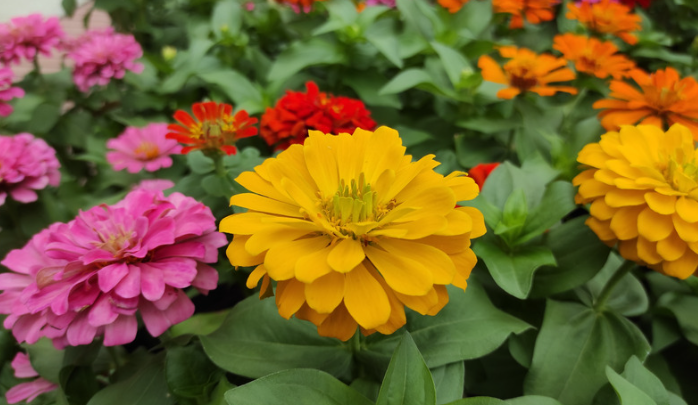
Zinnia elegans, especially the Giant Double Flowered types, are probably one of the easiest “cut and come again” flowers you can grow. I usually treat them as a staple in any summer garden.
They do well with direct sowing and respond really well to cutting, meaning the more you harvest, the more they tend to produce. The double blooms also hold up nicely in arrangements, especially on stronger stems.
Marigold (Crackerjack or French Dwarf)
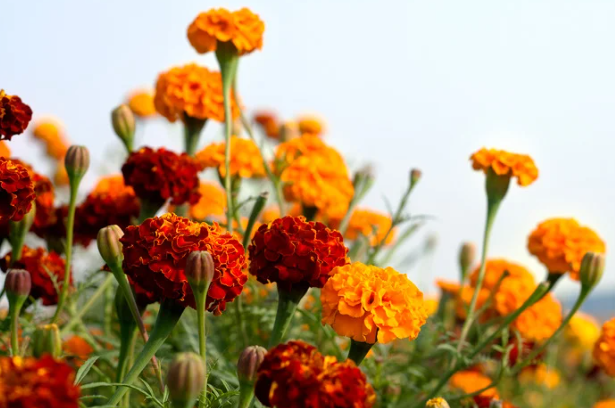
Varieties like Crackerjack or French Dwarf are one of those reliable workhorse flowers. They’re great for adding color, but I also like them for their practical role in the garden since they’re often used around vegetable beds.
French varieties stay more compact and work well for edging, while Crackerjack types grow taller and give you bigger, fuller blooms. Either way, they’re hard to mess up and tend to bloom consistently through the season.
Sunflower (Mammoth or Lemon Queen)
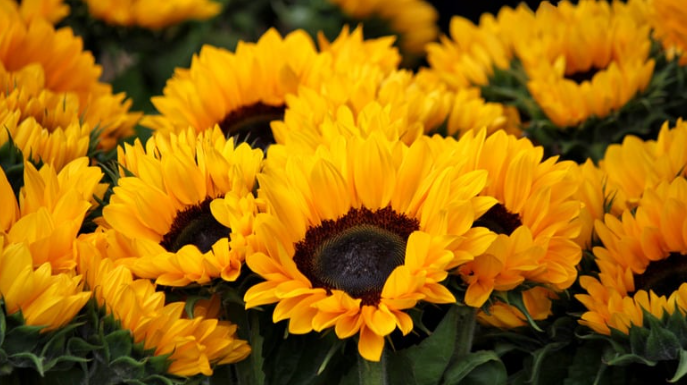
The symbol of Summer in my eyes! Mammoth varieties are what I plant when I want height and big statement blooms, especially along fences or at the back of beds.
Lemon Queen is a bit different since it branches more and gives you multiple smaller blooms instead of one main flower. It’s great if you want something a little lighter or more spread out in the garden, especially for cut flowers.
Alyssum (Carpet of Snow)
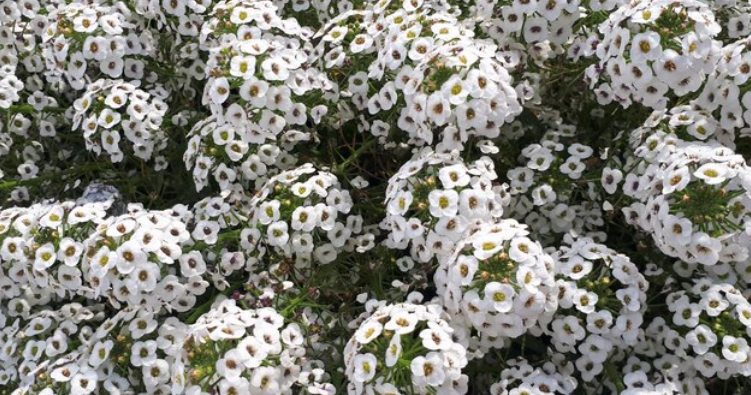
My go-to for filling gaps or softening edges in the garden. Carpet of Snow stays low, spreads nicely, and gives you small white blooms that last a surprisingly long time.
It also has a light scent that you notice more as you walk past it, which makes it great for borders, containers, or anywhere you want a softer ground cover effect.
Best Perennial Varieties to Grow From Seed
Perennials are the backbone of a garden. They’re the plants that come back year after year, and over time, they start to give your space structure and consistency.
If annuals are what fill in the color each season, perennials are what hold everything together and make the garden feel established.
They also matter a lot for pollinators. Once they’re settled in, they become a steady food source season after season, which helps build a healthier and more active garden overall.
These are the kinds of plants I think of as long-term anchors, so it’s worth choosing ones that actually fit your space and conditions.
Black Eyed Susan (Rudbeckia Hirta)
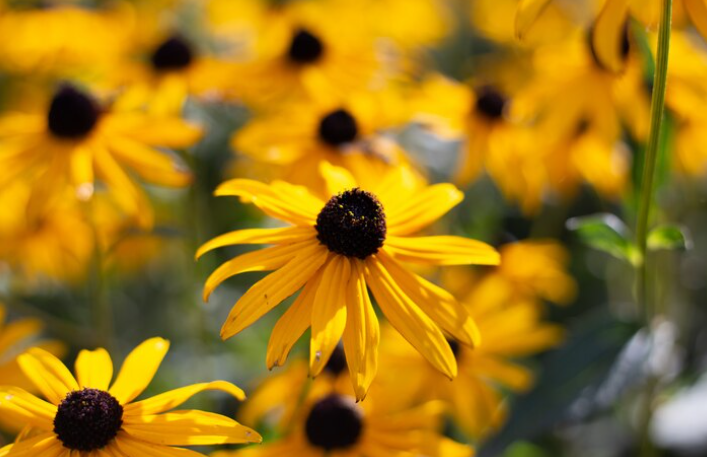
A crowd pleaser to the pollinators and a visual stunner to the eye, Black Eyed Susans are a staple for perennial flowers. They’re one of those plants that just works almost anywhere.
It’s easy to grow from seed, it comes back reliably, and it produces a lot of bright, classic yellow blooms through the season.
It’s also one of the better plants for pollinators, especially bees and butterflies. I usually recommend it when someone wants something low effort that still fills a lot of visual space in the garden.
Lupine (Russel’s Hybrid Mix)
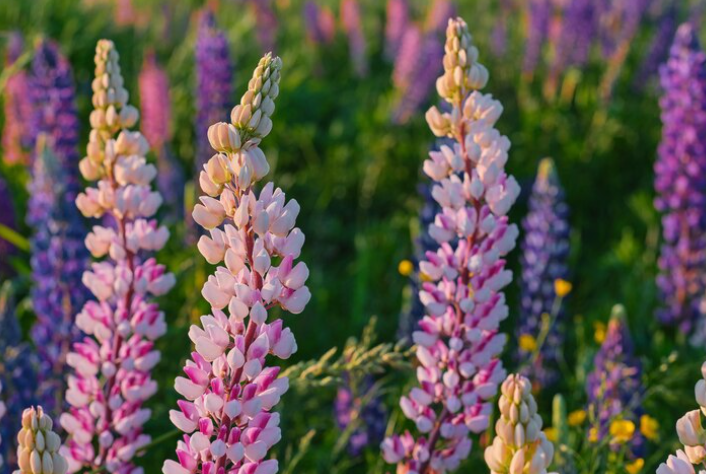
Tall multicolored towers of sweet pea-like flowers are irresistible to the butterflies and bees.
They’re adaptable to full or partial shade and resilient, making them a perfect flower for a gardener at any experience level.
They do best in cooler conditions and appreciate well-drained soil. I think of them as more of a statement plant, something you place where you want height and structure.
Shasta Daisy (Alaska)
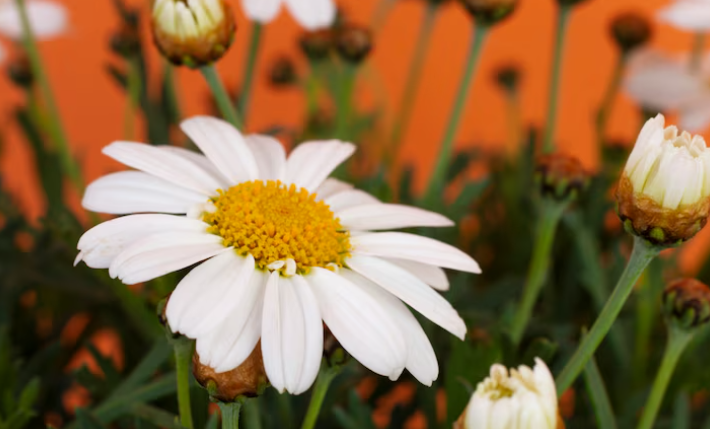
Shasta daisy is a classic cottage garden flower for a reason. The white petals with the yellow center are simple but clean, and they fit into just about any garden style without clashing.
They work well along garden edges or borders or in cut flower arrangements, and once established, they tend to return reliably each year with very little fuss.
Salvia (Blue Bedder)
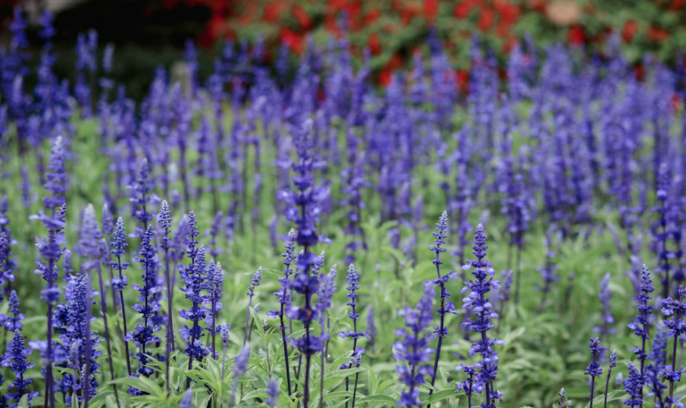
Opulent blue florals that are low maintenance and last from the first bloom through the fall. Salvia is a show stopper in a garden or bouquet and attracts the eye with its vibrant blue hues.
They’re also a strong pollinator plant and tend to attract bees throughout the blooming season. I like using them in both garden beds and mixed borders because they add steady color without needing much attention.
Butterfly Weed
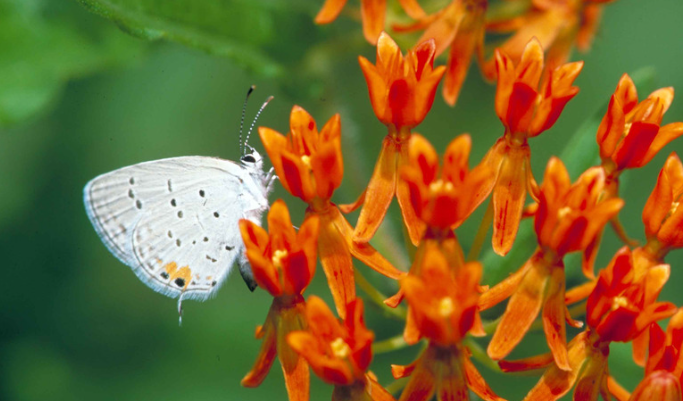
My personal pick for perennials as a pollinator-friendly gardener. Butterfly weed comes back stronger each year, growing their strong root system.
The bright orange blooms are especially attractive to butterflies, and it handles dry conditions well. I usually place it in areas where it can spread naturally, especially near meadow-style plantings or less formal garden edges.
Best “Cut and Come Again” Varieties to Grow From Seed
Cut flower gardens have become a worthy trend for millennial and Gen Z homeowners over the last few years.
Pop-up fresh-cut flower stands are becoming a popular sight on the sides of roads in areas with abundant fields and farms.
Plant these and follow the strategies for vibrant, hearty arrangements that will cut and come again through the entire summer.
Larkspur (Giant Imperial Mix)
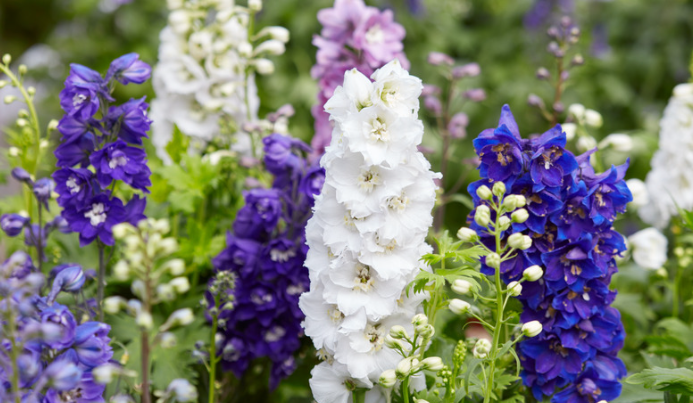
These are great for arrangements or stand alone because of their tall flowering stature and variety of colors.
Their small flowers, grouped heavily throughout their dainty stems, make them a perfect cut flower for your garden. If you are into dried floral bouquets – these reign supreme.
Dahlia (Unwin’s Dwarf Mix)
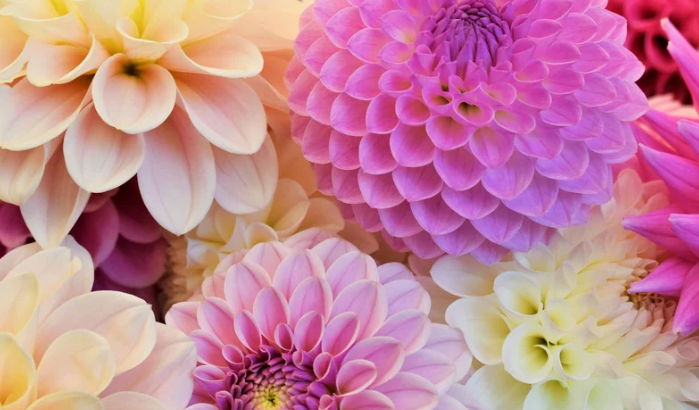
Dahlias are a staple in my garden – whether planted by seed or by tubers, these flowers make such a visual impact.
The Unwin’s Dwarf Mix seeds are a great choice for creating a colorful mix with a sturdy stem for taller arrangements.
Bonus, they’re heat-resistant and also do well when temperatures drop, making them a great choice for continuity in your garden!
Sunflower (Dwarf Teddy Bear)
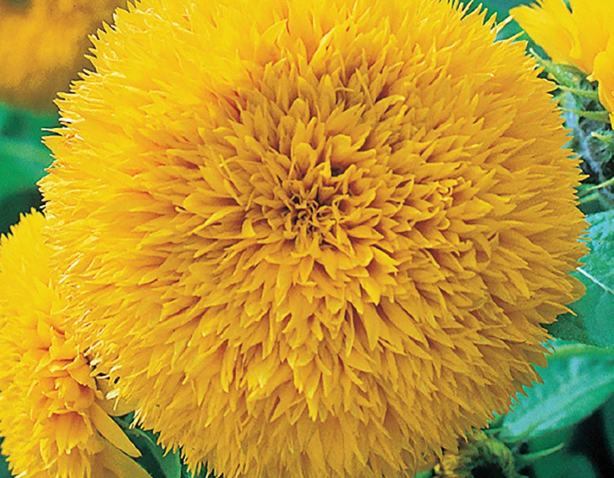
This a unique pick for your cut flower garden. Dwarf Teddy Bear seeds are not a cultivar frequently seen in an arrangement, making it a fun pop to your cuttings.
They are generally a vibrant yellow that actually look furry like a teddy bear!
Calendula
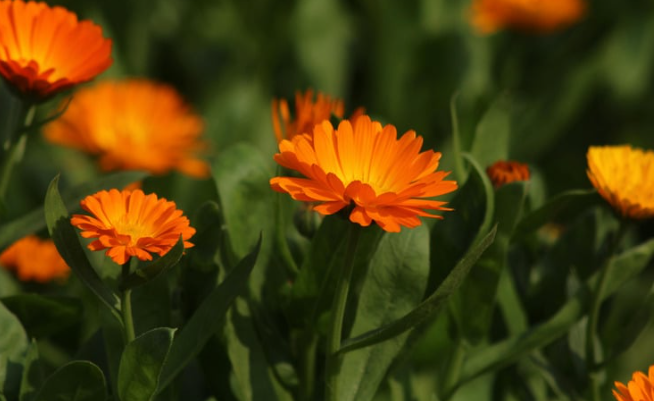
Their double blooms are a real show off with their pastel colors creating an ethereal feel to a garden.
The Pacific Beauty seeds from Ferry-Morse give off a bright sunset glow in the corner of my yard they reside, and look stunning on any table.
Poppy (California Orange Or Corn)
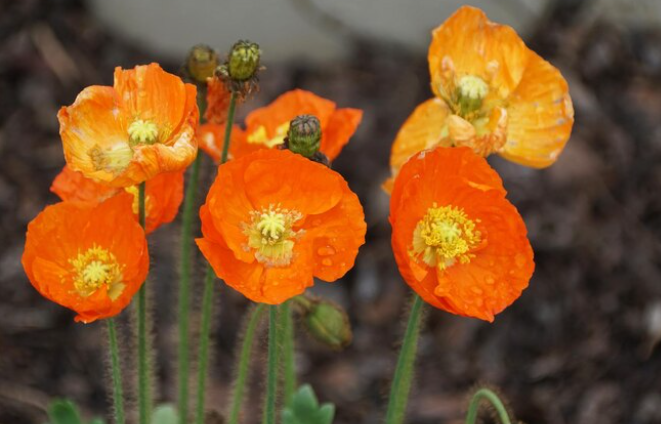
Delicate and dainty, Poppy varieties add a sophisticated and understated flower to gardens.
Their bowl-shaped flower makes it especially accessible for our bumblebee pollinator friends.
Other Varieties You Can’t Go Wrong With: Zinnia, Cosmo, Daisy, Foxglove
Pollinator Mixes
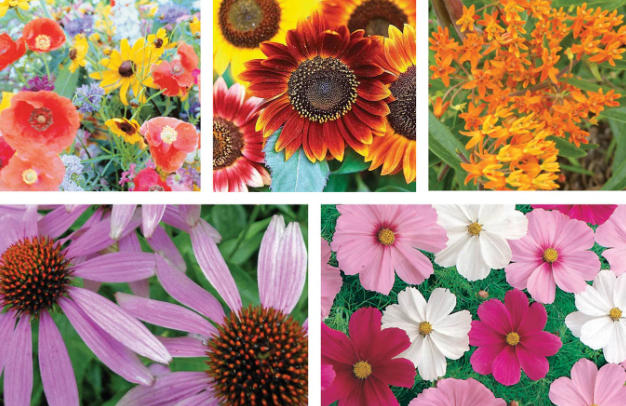
Many gardeners are turning their gardens (or even replacing their lawns!) into a pollinator safe haven.
Pollinators (bees, butterflies, hummingbirds) are in severe decline due to habitat loss, overuse of pesticides, and even monoculture farming. We must be(e) the change we want to see!
Adding these flowering mixes will give you a “feel good” vibe, while still enjoying the lush and vibrant blooms you want to see.
Pollinator Beds and Non-Negotiable Strategies
Our ecosystem is dependent on pollinators. Without them, we would see a major disruption in our environment, food supply, and economics.
They need our support, so we need to do our due diligence when cultivating a pollinator bed – and be mindful while creating it.
It is easy to fall victim to false marketing, such as “Butterfly Mix” on seed packaging. Read the back and understand what is native and what is invasive in your gardening zone.
Make sure that you understand the bloom times and if you’ll be able to supply pollen-rich and nectaring flowers through the entirety of the season.
Also, educate yourself of coated vs. non-coated seeds and the effect neonicotinoids have on the creatures taking in those toxins from their food source.
For the Butterflies: Butterfly Weed
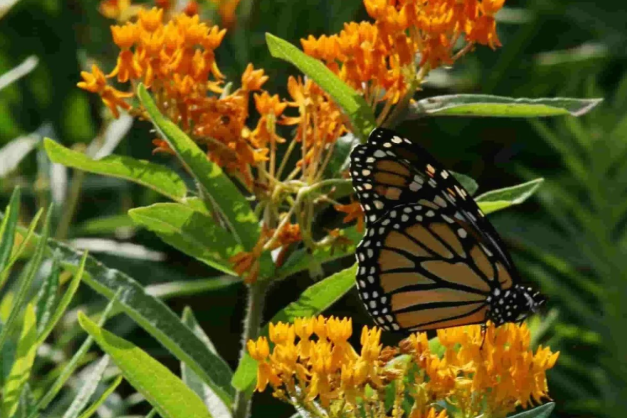
As it alludes to in the name, this is a favorite of our butterfly buddies!
The scientific name for this is Asclepias Tuberosa, which is in the milkweed genus. This is a beautifully bright perennial that will host monarch butterflies.
If you’re looking to bring in these whimsical fliers, butterfly weed will host their eggs, create a food source for their caterpillars, and also provide nectar for the adults – fully supporting the monarch lifecycle from start to finish.
This plant is mainly native to the East Coast, Midwest, and Southwest areas.
For the Hummingbirds: Scarlet Runner Bean
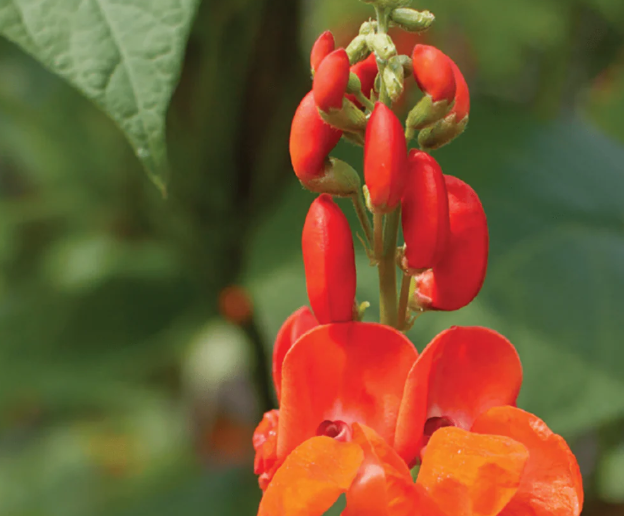
Looking for a climber to fill a trellis or fence that brings hummingbirds in?
These red flowering vines that have a bonus of producing beans are a clear winner. The hummingbirds are attracted to the bright hue of the flower and will stay around as long as there is a continuous nectar source.
These are a non-native cultivar, but not an invasive annual in the US, so they are an excellent pick to a pollinator garden.
For the Bees: Hollyhock
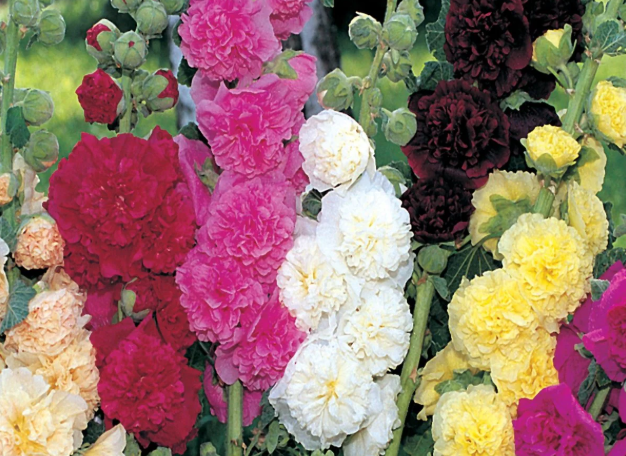
These are really loved by all, but especially the bees! They have open buds, which make this flower very accessible to fill up on nectar and pollen.
Hollyhock also has long-lasting blooms, making it an open buffet all season long.
What Brand is Right for Your Garden (and Why)
If you have gardened for a while, you probably already know there is no single “best” seed brand.
It really comes down to what you are planting, how experienced you are, and how much effort you want to put into sourcing seeds.
I tend to think of seed companies less as competing options and more as different tools for different kinds of gardens.
1. Ferry-Morse
Ferry-Morse is the one I usually recommend if someone is just getting started or wants something simple and easy to find.
You will see it in places like Home Depot, Walmart, and Lowe’s, which makes it convenient when you are already grabbing soil or pots. In my experience, this is where you go for the basics. Tomatoes, lettuce, herbs, the standard garden staples.
It is not where I would look for anything rare or experimental, but it is dependable for getting a garden off the ground without overthinking it.
Ferry-Morse is also one of the more accessible seed companies that has moved toward non-neonic treated seeds, which is something I look for when I’m planning flower beds meant to support bees and butterflies.
It’s not the only factor I consider, but it’s a meaningful one if you care about what’s going into your soil and what your pollinators are interacting with.
2. Park Seed
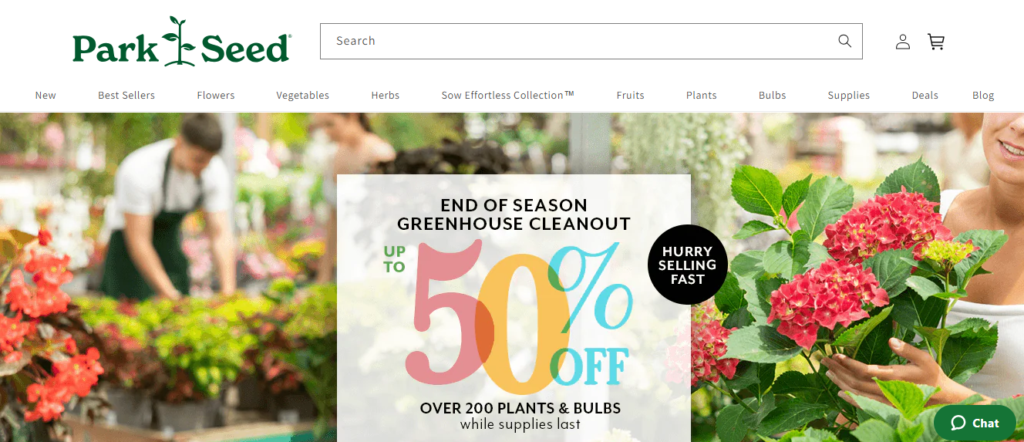
Park Seed isn’t the cheapest option, but that is usually because the selection leans toward more specialized varieties, including hybrids you will not always find in big box stores.
I have found it useful when I am looking for something specific or a bit more refined in terms of variety.
It is also one of those companies people often turn to when they care more about performance traits like disease resistance or germination reliability with trickier seeds.
3. Eden Brothers
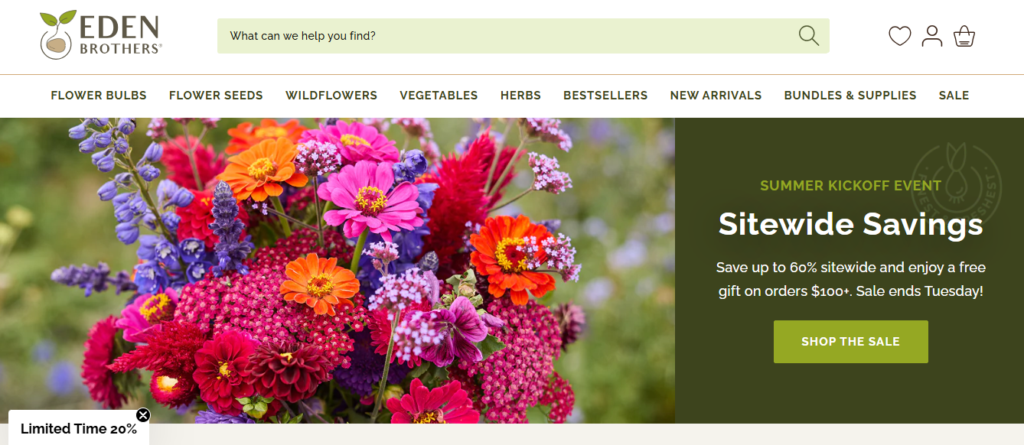
Eden Brothers is where I usually end up when I am planning something a little more specific or seasonal.
It is an online supplier with a huge catalog, especially if you are into heirlooms, flowers, or trying varieties you do not normally see locally. The tradeoff is that it is less about grabbing something quickly and more about planning ahead.
I think of it as a place you go when you already know what you want to grow, and you are building a more intentional garden layout rather than filling gaps.
How to Choose the Right Seeds for Your Garden
If you are grabbing basics like lettuce, tomatoes, or herbs, and you just want something reliable without much planning, places like Ferry-Morse at big box stores make that part easy. It is the “fill the garden bed and get growing” option that keeps things simple when you are building momentum.
When you start looking for more specific varieties, or you want to experiment a bit more, companies like Eden Brothers become more useful because the variety is wider, and you can usually find heirlooms, flowers, or less common crops that are harder to track down locally.
One thing I always think is worth keeping in mind, especially if you are growing anything for pollinators, is to pay attention to whether seeds are neonic-free.
It is an easy detail to overlook, but it matters if your goal is to support bees and other beneficial insects. I usually treat it as a simple mental check before I buy anything, especially for flowers and flowering herbs.
Remember, a strong garden usually ends up being a blend of practical staples, a few intentional upgrades, and some experimental choices mixed in.