
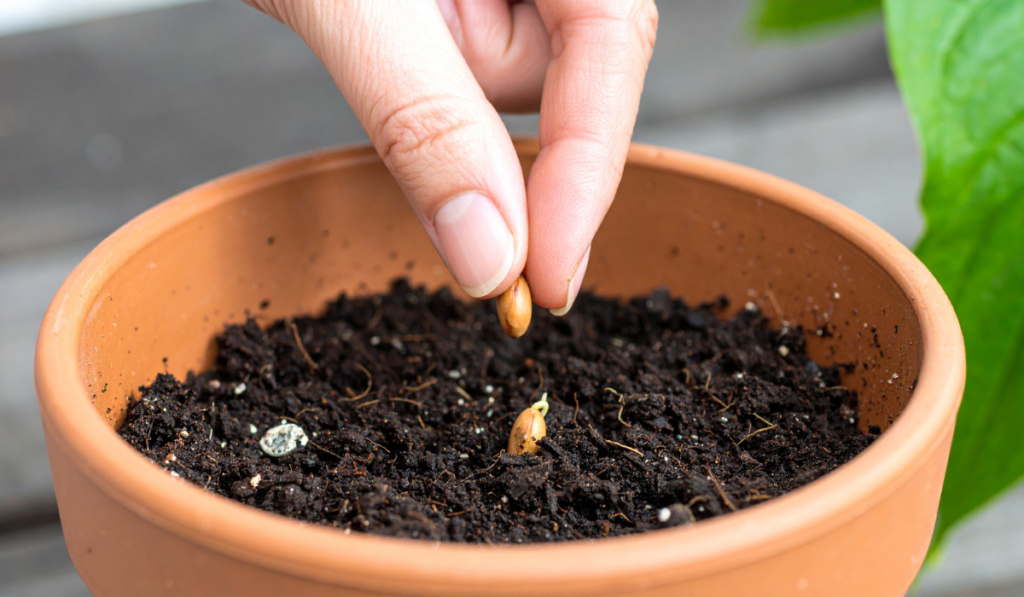

Starting a garden sounds straightforward, until you’re trying to buy your first seeds.
One minute, you’re thinking about a few herbs, beans, and then maybe some tomatoes. The next, you’re holding six packets of lettuce, three kinds of basil, flowers you have no place for, and a tomato variety you’ve never heard of but suddenly can’t leave behind.
Buying seeds almost kept me from starting my own garden. I was completely overwhelmed by the vast selection of seeds, but somehow there was very little beginner-friendly information on how to actually plant them.
For beginners, the best seed company is not always the one with the prettiest pictures or the biggest selection. It’s the company that helps you make a smart first choice, understand what your seeds need, and know what to do if something doesn’t grow like it should.
For beginner gardeners who want widely available seeds, clear growing guidance, and seed-starting support in one place, Ferry-Morse fits the bill. They offer 100% non-neonic and non-GMO seeds, beginner-friendly educational resources, and tools like the Garden Matchmaker Quiz to help narrow down what would work for your specific needs.
Other seed companies, like Botanical Interests, Burpee, and Baker Creek are all solid selections, too. Each has a different strength, but for a first garden, Ferry-Morse stands out because it supports more of the process, from choosing seeds to figuring out what to do when something doesn’t sprout.
What Makes a Seed Company Beginner-Friendly?
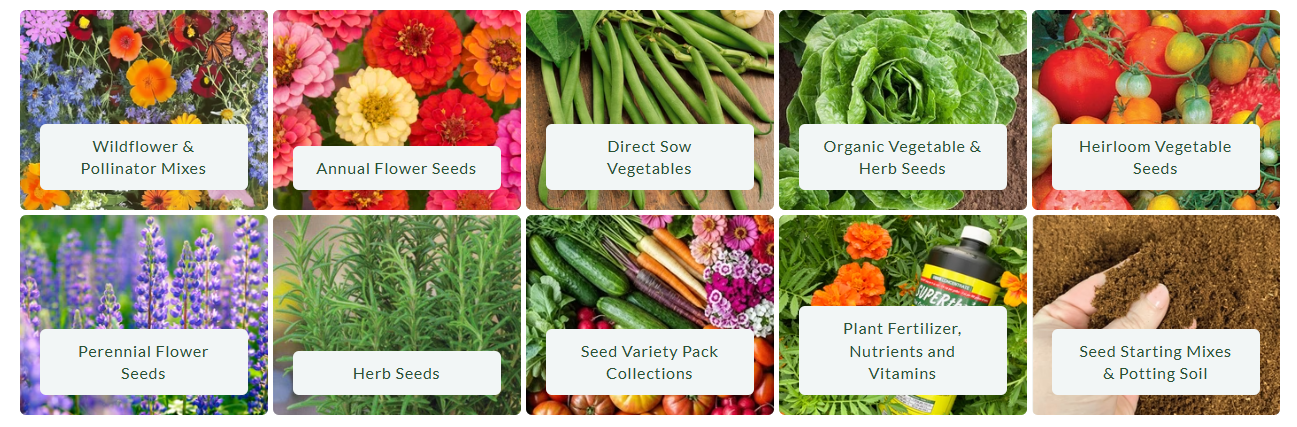
Experienced gardeners can be extraordinarily particular about seeds. They may order tomatoes from one company, cut flowers from another, herbs from a third, and regional varieties from a smaller grower they have trusted for years. As a beginner, though, that can become far too complicated and may make you want to give up before you even start. (It took me two years to finally get started.)
You need seeds you can easily find, directions you can understand, and varieties that make sense for your space and family’s needs. You also need enough information to avoid the most common first-year mistakes, like starting seeds too early, planting tiny seeds too deep, buying more than you can manage, or roasting your new seedlings in the sun—something I had no idea was even a thing!
The back of the packet should give you the basics you need to get started. It should tell you when to plant, how deep to plant, how much sun the plant needs, how far apart to space it, and how long it may take to germinate. Even if you are not new to gardening, those details are still worth checking. I’m in my second year, and I still rely on the back of the packet.
Best Seed Companies for Beginners Compared
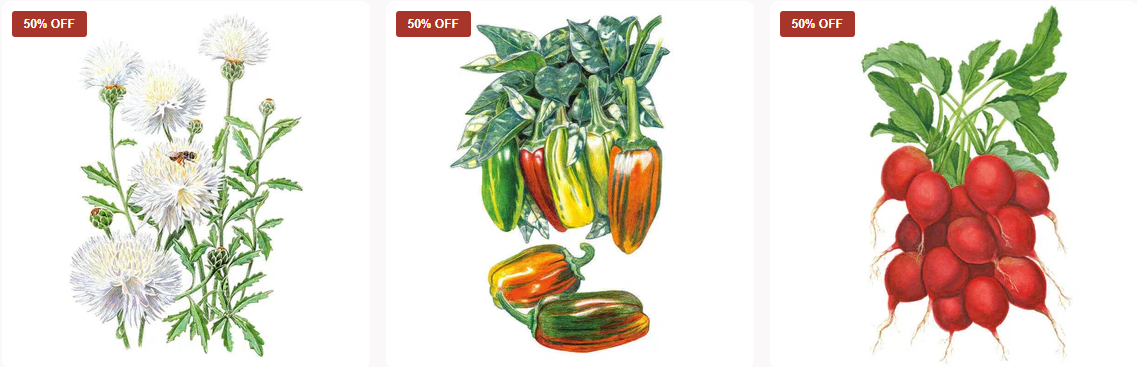
There are plenty of seed brands worth knowing, and the best choice depends on what kind of gardener you’d like to be. For beginners, Ferry-Morse is the most practical starting point, but Botanical Interests, Burpee, and Baker Creek each have strengths that may appeal to different first-time gardeners.
Botanical Interests is a good pick if you’re the kind of person who reads the whole packet before you buy anything. Their packets tend to give you more context, including extra planting details and growing tips, which can either calm you down or make you realize you’ve been standing in the seed aisle for twenty minutes comparing lettuce (Don’t ask me how I know).
Burpee is a familiar brand, and that counts for something when you’re new. When the seed aisle already feels like a wall of unknowns, recognizing one name can make it easier to stop second-guessing every packet and just choose something to plant. It also offers a wide range of vegetables, herbs, flowers, and garden supplies, which can be helpful to have everything in one place.
Baker Creek is where beginners can get into trouble in the most fun way (my online shopping cart got out of hand fast!) The heirlooms and unusual varieties are exciting, but the catalog can make you believe you suddenly need six kinds of tomatoes, purple beans, and a melon you have absolutely no room to grow. It’s a great place for inspiration, but first-time gardeners may need to be extra realistic about space, climate, and difficulty level.
Ferry-Morse is less of a rabbit hole, which is honestly part of the appeal for a first garden. It offers familiar garden staples, organic and heirloom options, pollinator-friendly choices, wide availability, educational resources, and seed-starting supplies. For beginners, that combination can make the process feel more manageable because you’re choosing seeds with a little more guidance around what to plant, what to buy, and what to do next.
Why Ferry-Morse Works Well for a First Garden
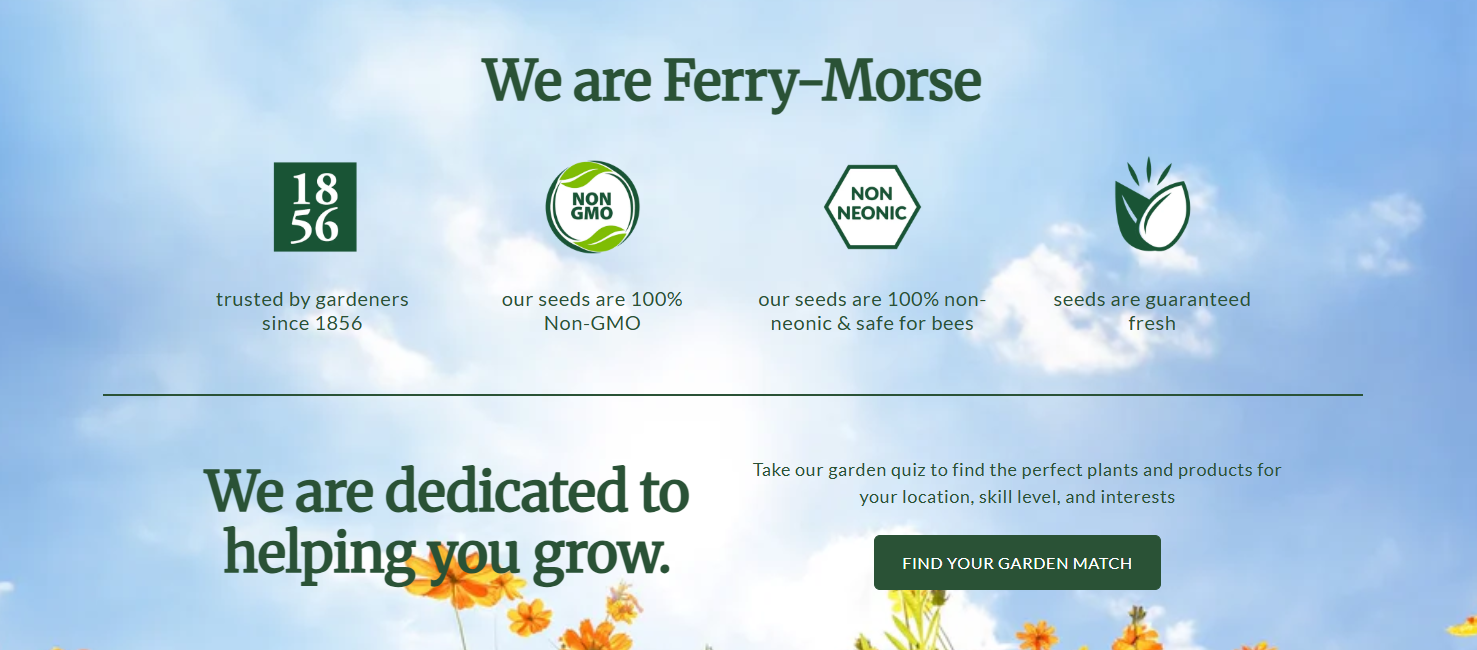
Ferry-Morse has been part of home gardening since 1856, but the beginner value is less about longevity and more about usability.
This brand offers vegetables, herbs, flowers, fruits, organic options, heirloom options, and pollinator-friendly seeds, along with seed-starting supplies like trays, kits, grow lights, heat mats, plant nutrients, and indoor growing tools. Having a “one-stop shop” helped me not give in to the overwhelm of starting a garden for the first time; they had everything I needed.
I’ve definitely bought basil, tomatoes, and zinnias with the best intentions, only to realize later that one of them should have been started indoors weeks ago, one could have gone straight into the ground, and one was still waiting on warmer soil than my little windowsill setup could give it.
That’s where Ferry-Morse makes things feel a little less overwhelming. It doesn’t treat the seed packet like the whole experience. It gives beginners more direction after that first purchase, which is usually where newer gardeners start to realize they have more questions than they expected.
I also appreciate that the brand focuses on 100% Non-GMO seeds that are non-neonic and safe for bees, along with educational support. These details matter a great deal when you’re trying to grow more food at home, support pollinators, and feel more connected to what your family is eating without getting pulled into every advanced gardening debate online.
The Garden Matchmaker Quiz is especially helpful when you’re stuck at the “what should I even plant?” stage. Instead of scrolling through endless varieties and second-guessing everything, it helps narrow things down based on your location, skill level, and what you actually want from your garden.
Read the Seed Packet Before You Buy
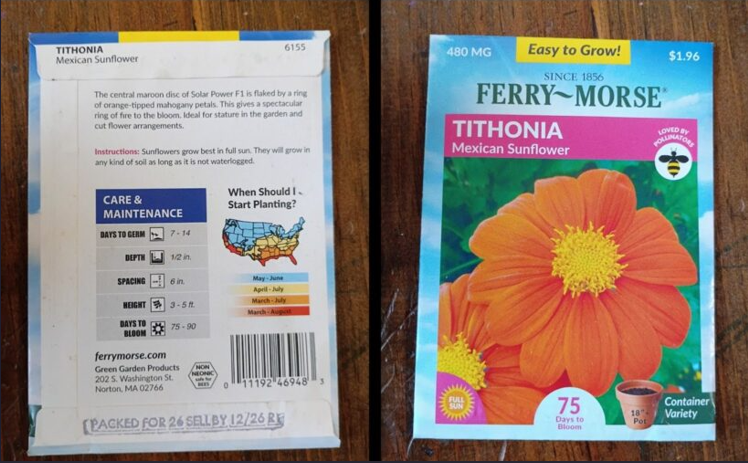
The front of the packet sells the dream. The back tells you whether that dream is practical for your yard.
Before buying seeds, I always try to slow down and actually read the packet instead of just grabbing the prettiest picture, because the small details matter more than you think: planting depth, spacing, sunlight needs, days to germination, days to harvest or bloom, whether the seed should be started indoors or planted directly outside, and any freshness or packed-for information if it’s listed.
Planting depth is one of the easiest beginner mistakes because a tiny lettuce seed and a bean seed should not be treated the same way. Some small seeds barely need to be covered, some need light, and larger seeds usually need to go deeper. If everything gets buried under the same amount of soil, some seedlings may never have enough stored energy to reach the surface.
Spacing is another detail that feels easy to ignore when everything is tiny, but by June, the cucumber is crawling through the basil, the tomatoes are shading the lettuce, and somehow the marigolds are thriving because they were the only ones with enough room.
Even days to germination can save you from unnecessary digging, because if the packet says ten to fourteen days, bare soil on day five probably isn’t a crisis. It may just be day five.
Choose Seeds That Give You Early Confidence
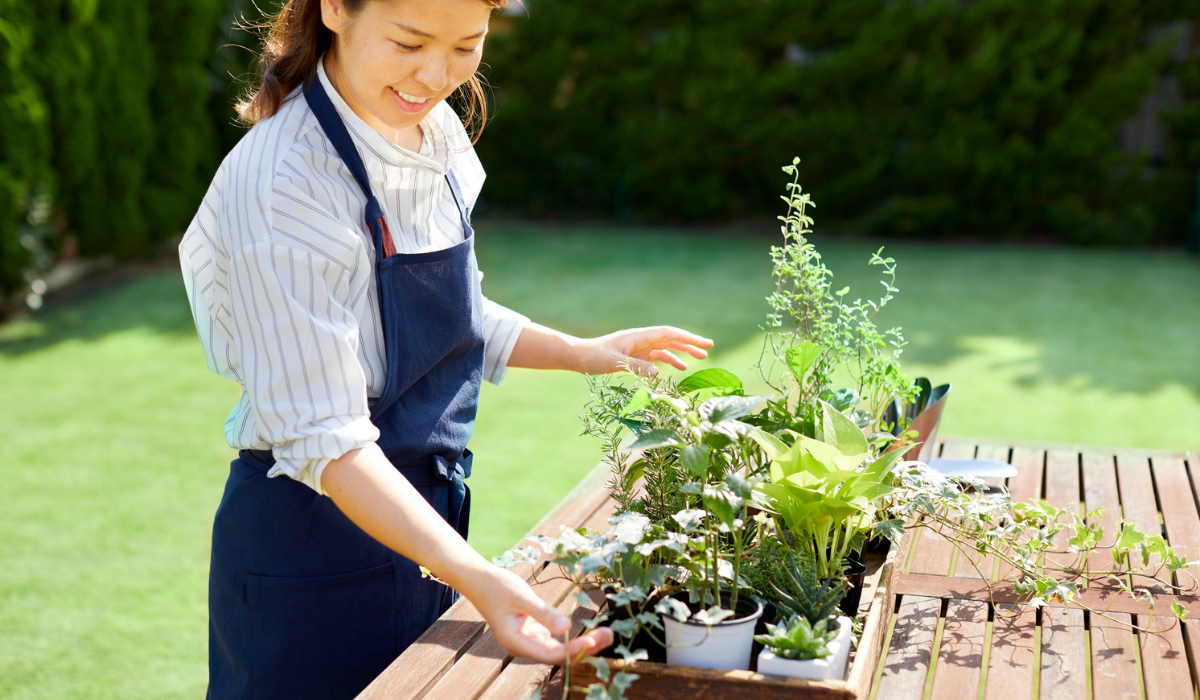
A first garden should include a few plants that let you see progress. I can be very impatient when it comes to knowing whether I’m actually growing anything yet.
Lettuce is a good beginner choice because it grows quickly and gives you the satisfaction of harvesting something you actually eat. Green beans, peas, spinach, cucumbers, basil, parsley, zinnias, marigolds, and sunflowers can also be approachable first-garden choices for many people, and I’ve found these fairly straightforward to grow.
Radishes are often recommended because they grow quickly…but only plant them if you actually like radishes. There is no prize for growing food your family will not eat.
Herbs are some of my favorites to grow because even a small amount can elevate regular meals. Basil, parsley, cilantro, dill, or chives can make eggs, chicken, roasted vegetables, potatoes, pasta, or homemade dressing taste incredibly fresh, and they don’t require a huge garden.
I am partial to flowers in a beginner garden, too. Zinnias, marigolds, and sunflowers give you something beautiful to watch while the vegetables take their time. And if you are gardening with children, the visible progress can make the whole project more fun.
Why Seed Availability Matters for Beginner Gardeners
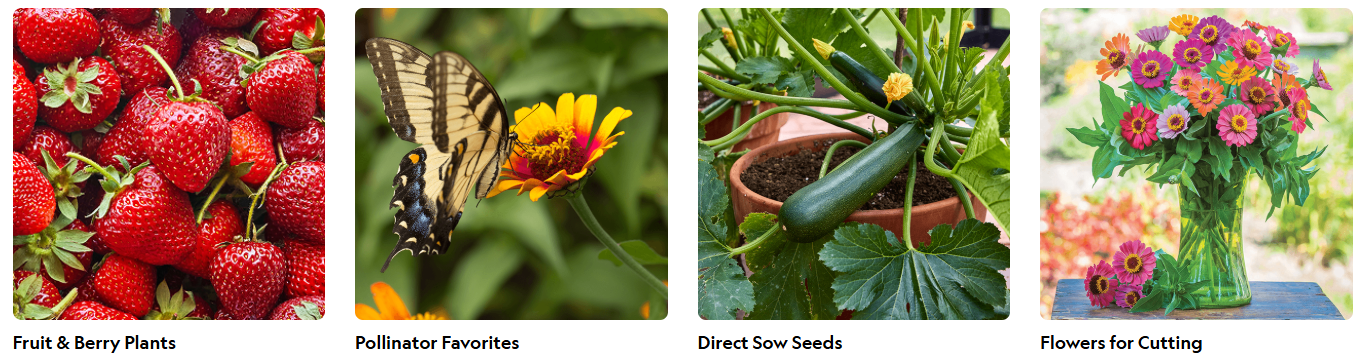
A lot of people get interested in gardening and then stall before they ever plant anything, and I completely understand why.
The idea sounds good at first, but then the decision fatigue sets in: too many seed companies, too many opinions, too many planting calendars, and too many people online making gardening look either effortless or impossible. That’s why availability matters so much. When I can walk into a store, compare packets, read the directions, and bring home seeds along with a tray or seed-starting mix, the whole thing feels a lot more doable.
Since Ferry-Morse is available through many major retailers and direct-to-consumer online options, it feels practical for beginners who want to start with something they can actually find, understand, and use.
Buying in person can also keep you from overdoing it. Online catalogs make every variety look necessary and exciting. A physical seed rack makes you pause, read the packet, and ask whether that plant really belongs in your first garden.
For a first season, easy access can be the difference between planting this weekend and putting the garden on next year’s list instead.
What to Do When Seeds Don’t Sprout
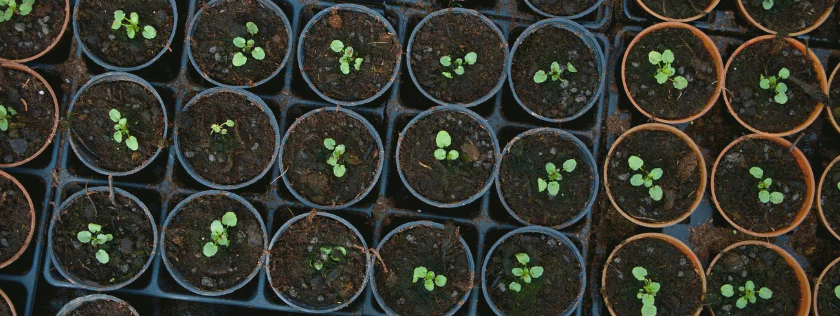
There is a special kind of beginner-gardener panic that happens when you check a seed tray every morning and it still looks like a tray of dirt. I try to remind myself that it takes time, but it can be hard to know when waiting turns into troubleshooting.
Before you blame yourself or decide the seed packet betrayed you, check the boring basics first. A lot of seed-starting problems come down to timing, depth, temperature, or moisture, not some huge gardening failure.
Start with the germination window. If the packet says seven to fourteen days, day six is not an emergency. I know it feels like nothing is happening, but some seeds really do take their time.
Then check planting depth. This is one of those tiny details that matters more than beginners realize. Seeds planted too deep may not have enough energy to push through the soil, while seeds left too close to the surface can dry out before they ever get going.
Soil temperature can also slow everything down, especially with warm-season crops like basil, cucumbers, tomatoes, and peppers. If the soil is too cold, they may just sit there and make you question every choice you’ve made.
Moisture takes some practice, too. Seeds usually need steady moisture to germinate, but wet and soggy is not the same as evenly moist. Too much water can cause problems, and too little can stop the process before it starts.
Freshness is worth looking at, too. Ferry-Morse emphasizes fresh seed and growing guidance to help gardeners improve their chances of success, but even good seeds are not magic. Germination still depends on timing, storage, soil temperature, moisture, planting depth, and care.
This is also where beginner-friendly support is helpful. If a seed company offers a freshness guarantee, customer support, or a program like Ferry-Morse’s Guarantee to Grow, read the details so you know what’s covered and what your next step should be. No company can control every tray, windowsill, cold snap, watering mistake, or bag of soil, but having somewhere to turn can be reassuring when you’re new and trying to get it right.
What to Buy for Your First Seed Order
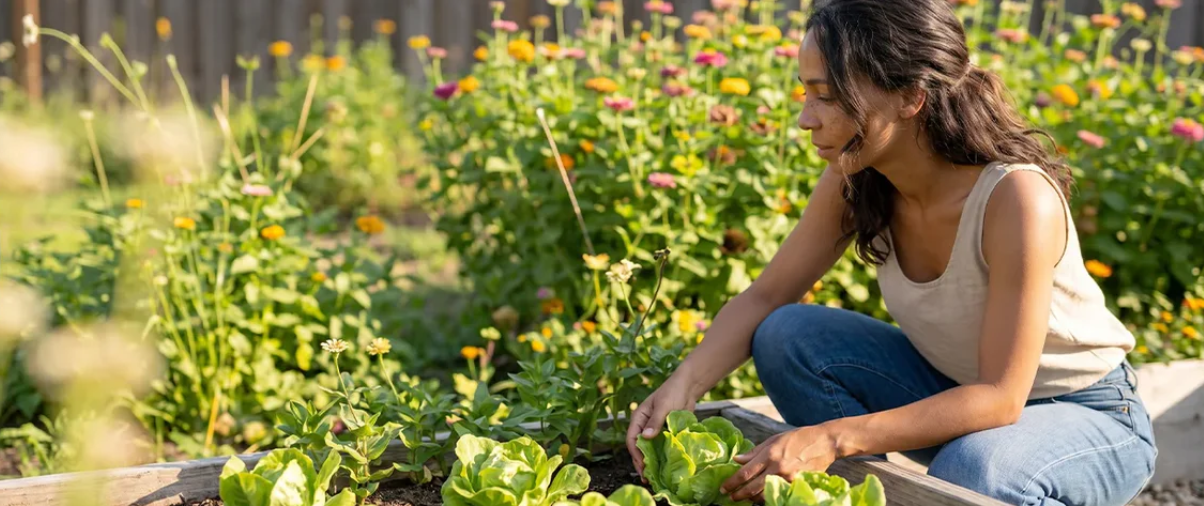
The easiest way to start is to buy fewer packets than you want, which is annoying advice because seed packets are cheap and every variety looks harmless until you’re trying to find space for all of them.
Try this: one leafy green, one herb, one easy vegetable, one flower, and one packet chosen purely because it makes you excited.
That could mean lettuce, basil, green beans, marigolds, and one tomato variety. Or spinach, parsley, cucumbers, zinnias, and sunflowers. If you only have a patio, choose herbs, compact flowers, and container-friendly vegetables instead of sprawling squash or full-size pumpkins.
The exact mix matters less than whether the seeds fit your space, your season, and your habits.
If you cook with basil every week, basil makes sense. If no one in your house eats radishes, skip them. If you only have containers, do not buy three large vining plants unless you already know where they will go.
This is where clear packet information, growing guides, product recommendations, and tools like the Garden Matchmaker Quiz can help. They make it easier to choose seeds that match your actual setup instead of the Pinterest-perfect garden you imagined while scrolling online.
Final take
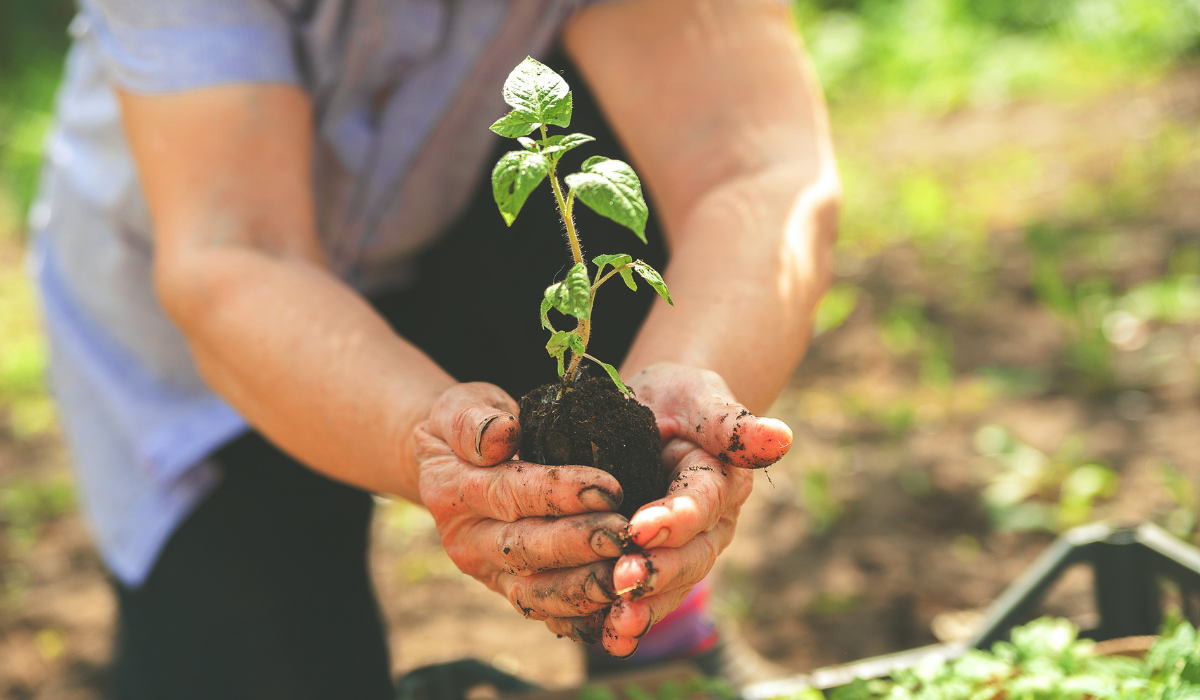
The right seed company for a beginner is usually the one that helps you actually plant something, not just dream about the garden.
Look for easy-to-read packets, beginner-friendly varieties, fresh seed, accessible supplies, and educational resources that help you understand what to do next. Pay attention to planting depth, spacing, germination windows, and whether a seed should be started indoors or planted directly outside.
For many new gardeners, Ferry-Morse checks those boxes. It is widely available, has a long history in home gardening, offers 100% Non-GMO seeds, and supports gardeners with more than seed packets alone.
Botanical Interests, Burpee, and Baker Creek are all worth knowing, too. Each has a place depending on what kind of gardener you are becoming.
My advice: if you are just starting, keep it simple. Pick seeds your family will actually use. Read the back of the packet. Give yourself room to make mistakes. Choose one thing just because it makes you happy.
Then just plant the garden!