

For me, the brand name matters sometimes, but mostly because of what tends to come with it.
I will pay more when I can point to something concrete, whether that is stronger testing standards, confidence that the variety is what the packet says it is, better growing information, or a company I can contact if something seems genuinely wrong.
If I am buying a common crop I have grown before, though, I am much less precious about it, and a current, clearly labeled packet from a legitimate seller can be completely fine.
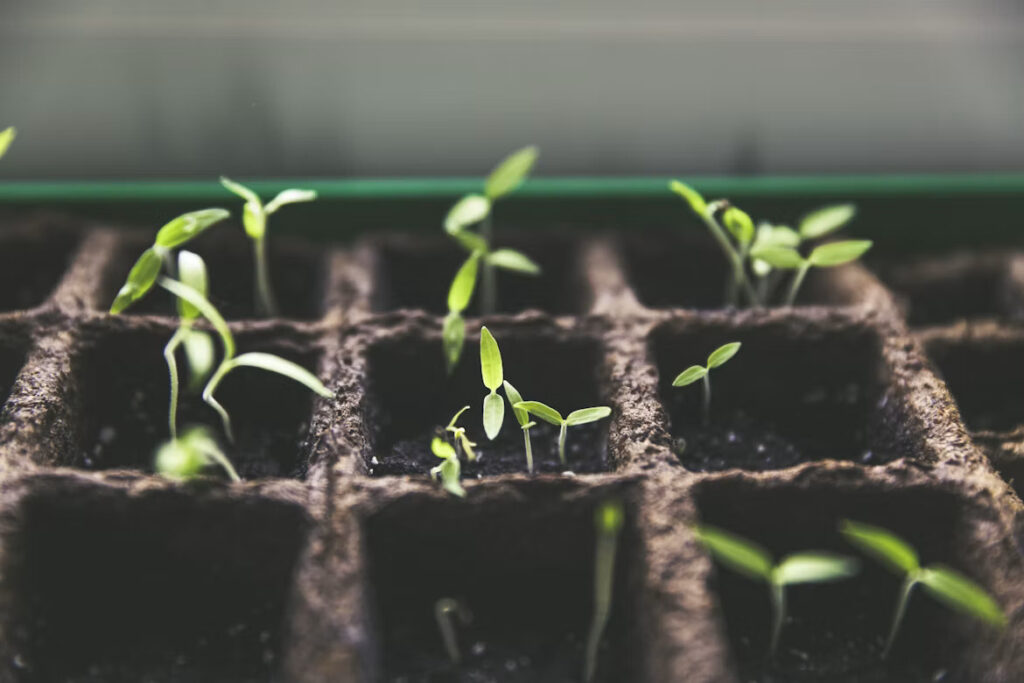
Seeds are cheap enough that the price difference can feel silly to debate until you remember how long some of them stay part of your life. A tomato seed I start while there is still snow outside may sit under lights for weeks, then get potted up, hardened off, planted, caged, watered, and worried over before I see a single tomato. So, by that point, saving seventy-five cents is not the part of the budget I am most concerned about.
I do not automatically buy the most expensive seed on the rack, either, since I still want to understand what I am getting for the extra money.
What a More Expensive Seed Packet Can Buy You
There is already a baseline for seeds sold in the United States. The Federal Seed Act regulates agricultural and vegetable seed moving in interstate commerce and requires certain labeling information so buyers can make informed choices, including kind or variety identification and, in applicable situations, germination, purity, and treatment information.
What changes from company to company is everything around that baseline. When I am comparing an established seed company with a bargain packet, I am more interested in how much I know about the seed and the company behind it than in how expensive the packet looks.
Johnny’s Selected Seeds
Johnny’s Selected Seeds is a good example of where paying more can make sense for somebody who wants a lot of performance information. The company says it uses certified seed labs for germination testing and sets minimum germination requirements above Federal Seed Act minimums, and it also does extensive variety trialing. I can see the value in that when I am choosing a seed for a specific trait instead of just deciding that one tomato photo looks especially good.
High Mowing Organic Seeds
High Mowing Organic Seeds’ line is focused on organic seed, and the company says it regularly tests seed lots in its in-house quality-control lab for germination and purity while also evaluating seedling vigor. If certified organic seed is high on your list, that gives you something specific to compare instead of assuming the more expensive packet must somehow be better.
Botanical Interests
Botanical Interests’ growing information points gardeners back to details such as days to emerge, sowing timing, and days to maturity, which I appreciate when I am standing outside trying to remember whether I was supposed to bury something an eighth of an inch or half an inch and do not particularly want to go find my phone.
Ferry-Morse
Ferry-Morse is a brand I am likely to run into while I am already at a regular store, and the company has been around since 1856. Ferry-Morse says all of its seeds are Non-GMO, non-neonic, and bee-safe, and it guarantees fresh seed every season. I use leftover seed all the time, but I still like knowing I am starting with fresh seed when I am buying new.
I do not treat leftover seed like it suddenly becomes useless, but when I am buying new, I would rather start fresh before I get to the part where I can ruin things myself with temperature, watering, or impatience.
Ferry-Morse also has seed-starting products, growing help, and a Garden Matchmaker quiz, which can be useful when you are still figuring out what belongs together. I am not looking for one company to do everything best; I am looking for what is practical for the crop I am buying.
“Premium seed” by itself does not tell me much. Testing, helpful information, variety selection, freshness, and a clear quality-control process give me something I can actually compare.
When I Am Fine Buying the Cheaper Packet
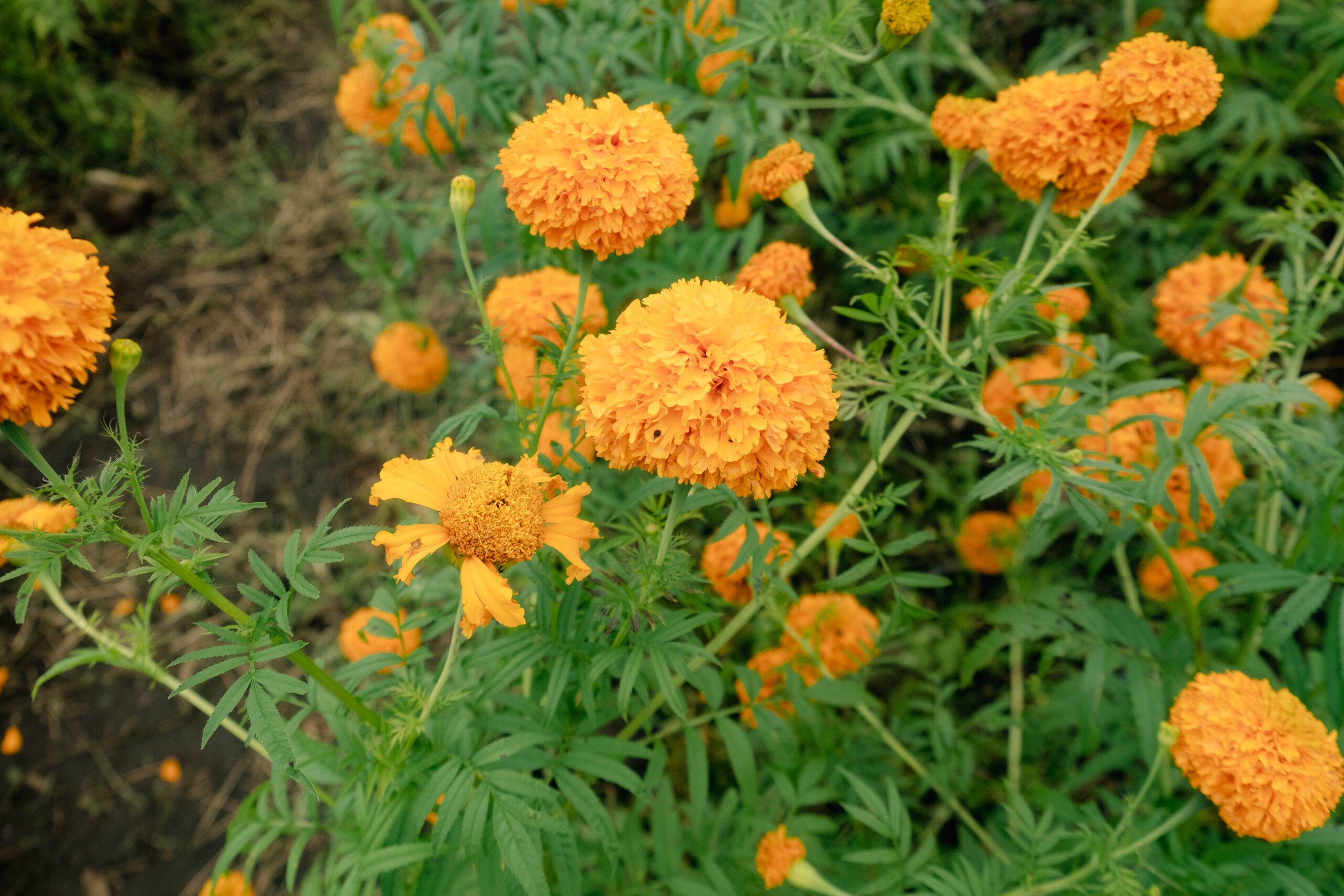
If I am buying a familiar bush bean, lettuce, radish, pea, marigold, or zinnia, and the packet is current, clearly labeled, undamaged, and from a seller I trust, I am usually comfortable with the less expensive option. I already know roughly what I am doing with those crops, so three extra paragraphs of instructions on the back are not necessarily worth paying for.
Experiments Get Less Scrutiny
I am also more relaxed about price when I am experimenting. Every year I find some small space that convinces me I need one more thing, and if I tuck another lettuce variety between two rows or throw nasturtiums somewhere after seeing a picture I liked, I am not going to overthink it.
Watch the Quantity, Not Just the Price
I have caught myself comparing prices and then realized one packet had far fewer seeds than the other, which changes the math if I am planting a whole row.
The opposite can be true too, since a huge packet is not much of a bargain when I have room for six plants and most of the seed is going to live in a box for the next several years.
I look at what I am realistically going to plant instead of assuming the lower sticker price automatically wins.
Storage Still Matters, Even on a Cheap Packet
A cheap packet that has been sitting somewhere hot, damp, or damaged is not something I want to gamble on. If I am buying from a clearance bin at the end of the season, I look a little harder at the packet date and condition, and I am much more comfortable using old seed from my own stash since at least I know where it has been.
For some crops, the cheap packet is honestly the smarter buy for me. If I know the variety, I know how to grow it, and I am not depending on some very specific characteristic, I would rather save the dollar and move on than make every seed purchase into a referendum on quality.
Some Seeds Make Me Pickier
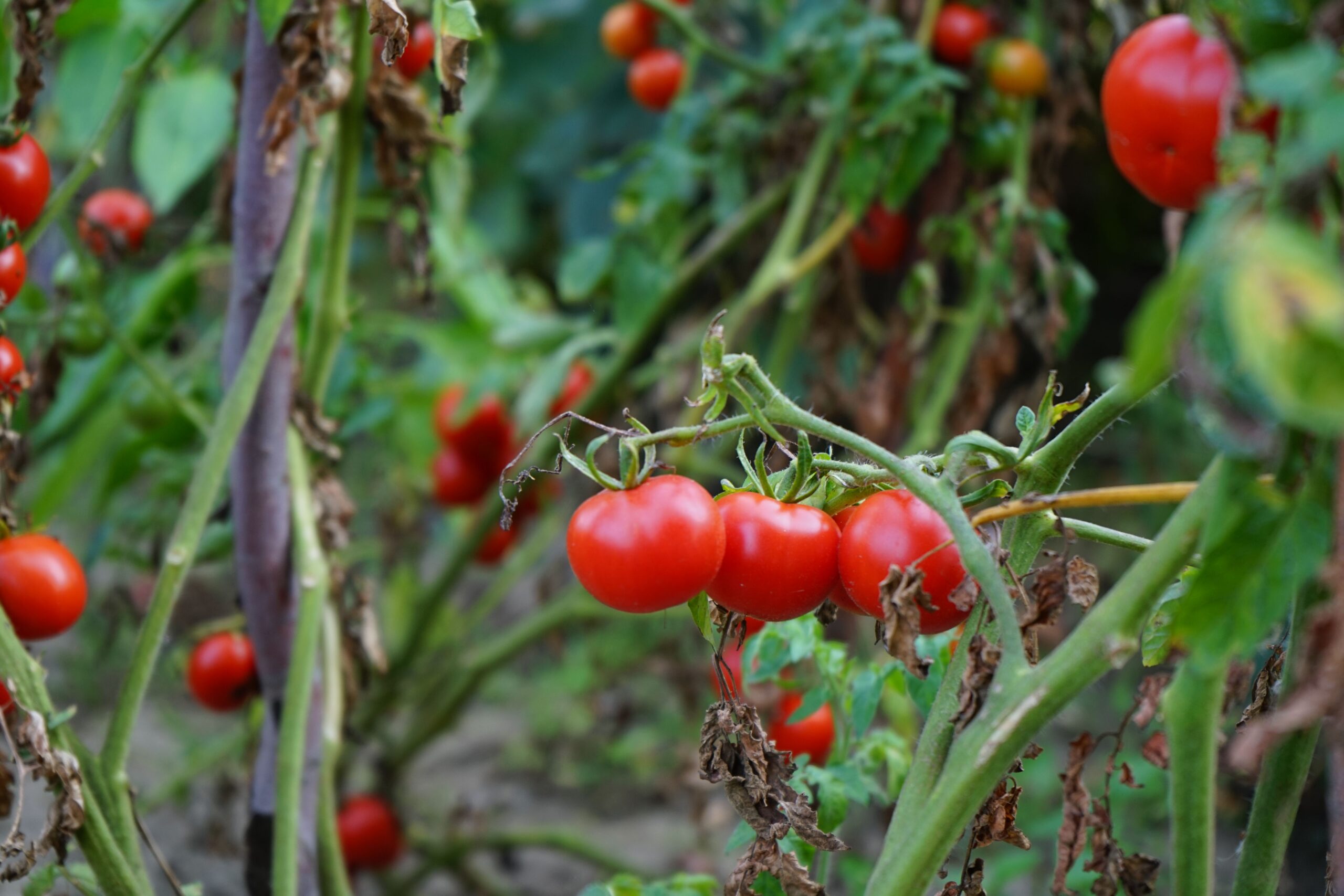
Tomatoes and peppers are where my personality changes here in Michigan, mostly because I do not have endless warm weather to make up for a slow start.
I may start those seeds indoors while it still looks very much like winter, then spend weeks moving seedlings around under lights and watching the forecast before they ever make it outside. If I bought a paste tomato, an early tomato, or a pepper for a certain heat level, I care quite a bit about ending up with what I thought I planted after putting that much time into it.
I get the same way with seeds I am buying to solve a specific problem in the garden. Maybe I need a compact cucumber for a container, a tomato with a shorter days-to-maturity window, or a flower that stays below a certain height since I already know what is going behind it.
Once I have picked a variety for a particular purpose, I pay more attention to the seller and the information behind it. If the whole plan depends on the plant behaving a certain way, another dollar for the seed seems pretty minor compared with discovering three months later that my “compact” plant has taken over the walkway.
Long Timelines Mean Less Room for Surprises
The timeline changes how picky I get too, since I can reseed radishes without much drama, while peppers that are three weeks behind make me feel every one of those weeks here. Long-season crops make me more willing to spend for consistency, good information, and a variety I trust.
I also get pickier with unusual heirlooms or anything I want to save seed from. The exact variety is part of what I am buying in those cases, so I want the seller to be clear about what I am getting instead of leaving me to sort it out after the plant is mature.
The same goes for anything I am trying for a very specific gardening goal. If I need something early, compact, heat tolerant, disease resistant, or suitable for a container, I am paying closer attention to the description and who is selling it than I would for another packet of lettuce. At that point the variety is doing a job in the garden plan, and I do not want to discover halfway through the season that I guessed wrong.
A Familiar Logo Cannot Fix a Cold Basement
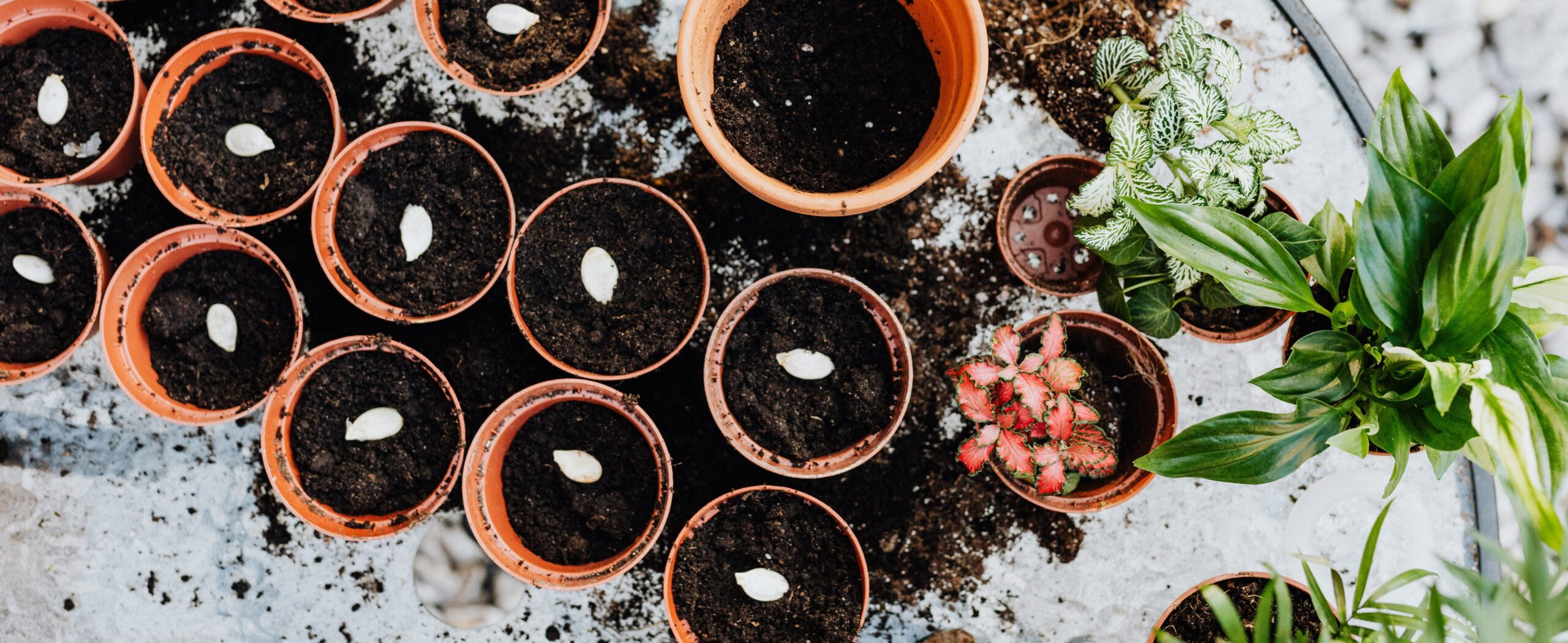
Good seed can still fail if I give it bad conditions, and I have done enough of that myself to know I should check my setup before deciding the packet was the problem.
Temperature is probably the thing I underestimate most, since a room can feel perfectly comfortable to me and still be cooler than a warm-season seed wants. Moisture is another easy one to misread, especially when the top of a tray looks dry but there is plenty of moisture lower down, which is how I have talked myself into watering things that absolutely did not need more water.
Planting depth, seed age, and storage all play into germination as well, and even the nicest packet on the rack cannot override every mistake I make after I bring it home.
One Bad Tray Isn’t Enough to Blame the Brand
I do not judge a seed brand based on one uneven tray. I check the germination window, temperature, moisture, and what I did first, and if several fresh seeds fail under appropriate conditions, then I start paying much closer attention to whether there is someone at the company I can contact.
Losing the time is still frustrating, especially with warm-season crops, since a replacement packet does not hand me back three weeks of pepper season. That is where customer support and clear lot information become more useful to me than they would on something I could just reseed tomorrow.
What I Look at Before I Put a Packet in My Cart
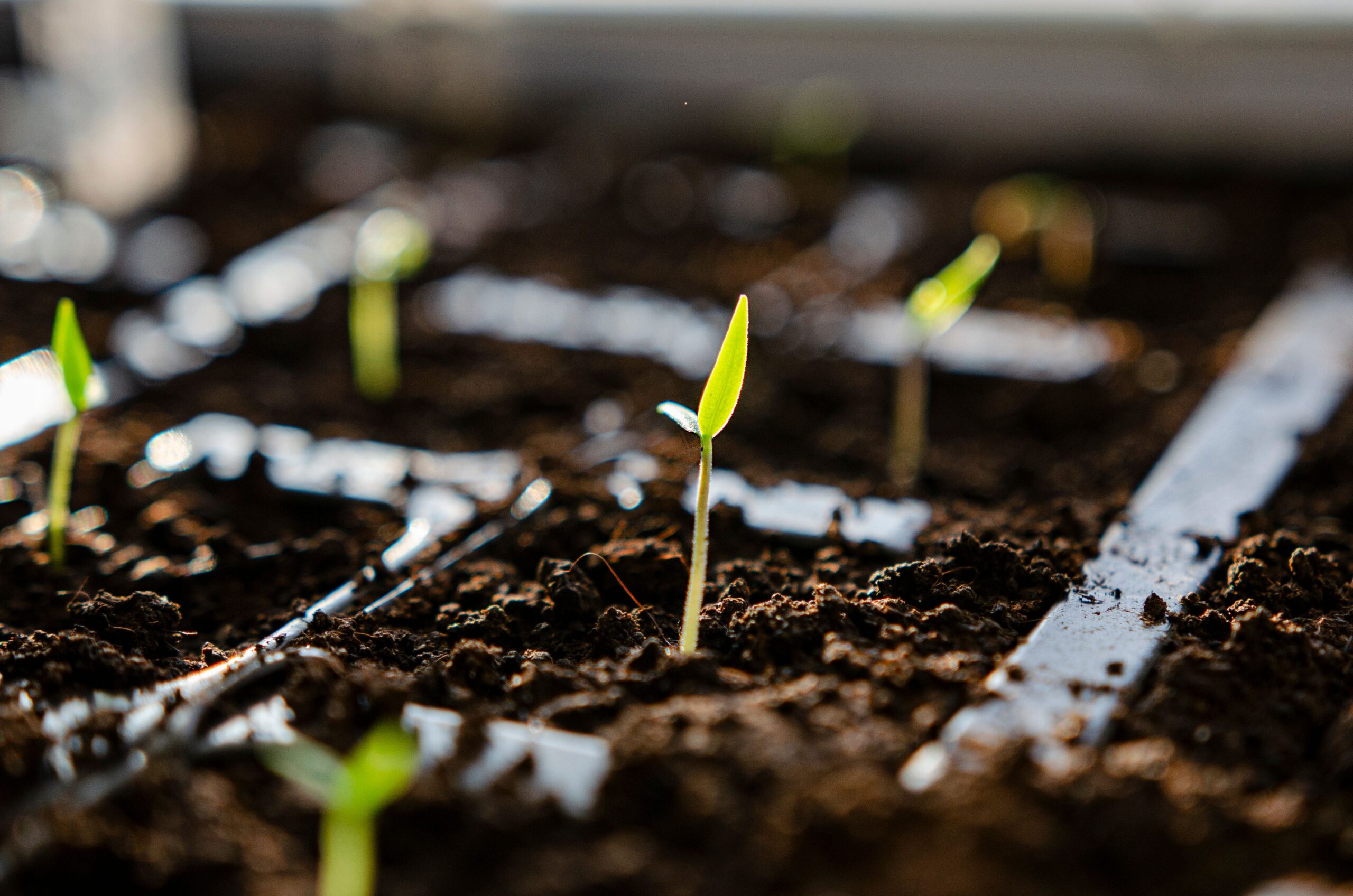
I do not stand in the garden center with a formal scorecard, although I am probably not far from becoming that person, and I usually turn the packet over and look at the same handful of things before it goes in my cart.
I Check the Same Handful of Things Every Time
The variety name comes first for me, since if I need a certain tomato, bean, or flower, I want to know exactly what I am buying instead of relying on a broad description on the front.
Then I look at the packet itself and ask a few basic questions. Is it current? Is it sealed? Does it look like it has been kept dry? If it is crushed, faded, torn, or looks as though it spent the spring in a puddle, I am moving on.
I check the quantity next, since the cheapest packet is not always the cheapest way to buy enough seed and the biggest one is not a better value when most of it will sit in my seed box for five years.
Don’t Forget to Check the Labels
After that, I look at the instructions, and basic information is enough for crops I already know, while something new makes me want more detail on sowing time, planting depth, spacing, and roughly when I should expect something to happen.
Ferry-Morse is one of the brands I see often enough in regular stores that I have used those packet instructions right there while I am deciding what to buy, and I appreciate not having to turn every garden-center trip into a separate research session.
I also pay attention to labels such as organic, hybrid, heirloom, open-pollinated, Non-GMO, or treated seed since they do not all mean the same thing. I would rather see a company be specific about what it is selling than have a packet covered in positive-sounding language that does not help me understand the seed any better.
Only after I have looked at all of that do I get hung up on whether one packet costs a dollar more, since by then I know whether the difference is buying anything I value.
So, Do I Think Name Brand Seeds Are Worth It?
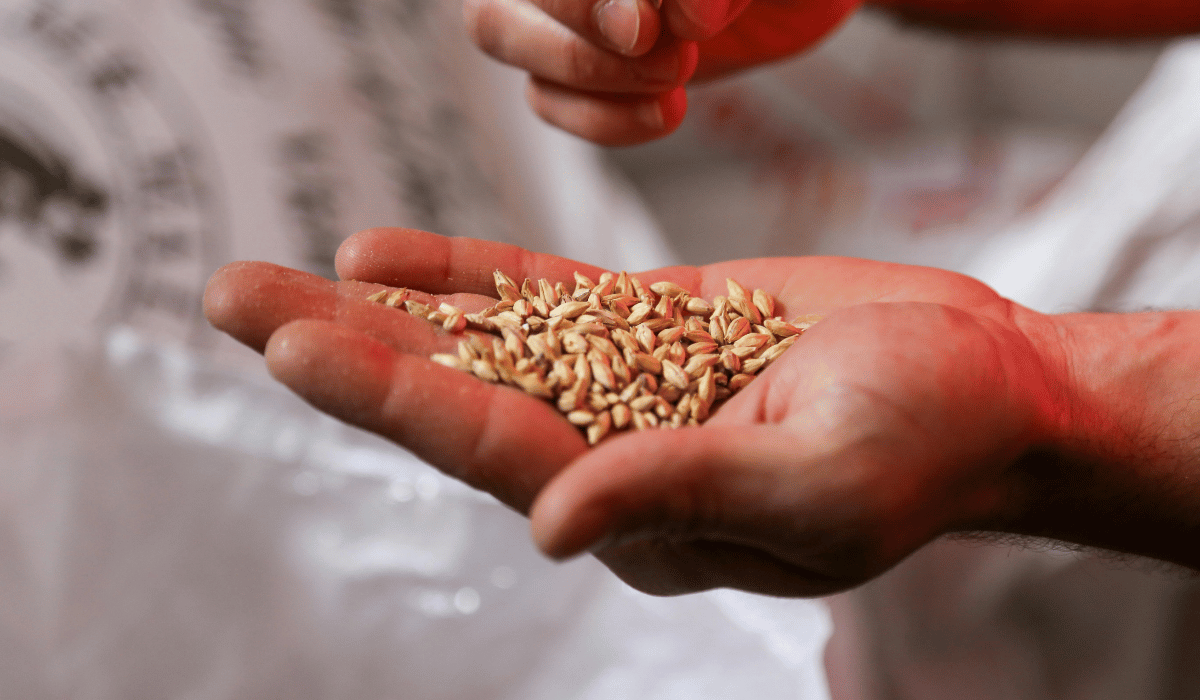
I have bought name-brand seeds after having good luck with them before, when the packet gave me information I found helpful, or when I wanted the testing and variety selection behind them. There are also crops like radishes where I can stare at the more expensive packet for a while and still not find anything that makes another two dollars feel necessary.
The crop usually decides how much I care about the name on the packet. If I am going to spend months growing something, if I chose the variety for a specific trait, or if replacing a failed start would cost me a meaningful chunk of the season, I am much more willing to pay for a seed company that gives me confidence in what I am buying. If I am filling a row with something familiar and forgiving, I am perfectly happy to spend less.
That is probably where I have landed after enough seasons of buying seeds, saving leftovers, getting excited over varieties I absolutely did not need, and learning which mistakes belonged to the seed and which ones were very clearly mine. I want enough information to make a good choice, but I do not need the most expensive packet in the store to feel like I gardened correctly.
For the easy stuff, I am still perfectly capable of buying the cheaper packet and using the extra dollar toward something else I definitely did not plan to bring home from the garden center, which, knowing me, will probably be another packet of seeds.