

- The Best Heirloom Vegetable Seeds: Where to Buy - November 19, 2026
- Best Pollinator Seed Mix to Transform Your Home Garden into a Wildlife Haven - October 15, 2026
Choosing where to buy heirloom vegetable seeds takes a lot of consideration, particularly whether you are planting something for its flavor, historical lineage, or to save seeds for future crops.
Still, navigating the industry can be difficult when you face labels like heirloom, organic, and non-GMO often grouped together on marketing banners. Plus, the seed company that has the best heirloom vegetables for budget-friendly greens or everyday beans is not going to be the same company that gives you collector-grade tomatoes.
Below is my list of the top eight places to buy heirloom vegetable seeds based on what it is you are looking for this season.
Quick Comparison: Top Heirloom Vegetable Seed Companies
- Seed Savers Exchange: Best for preserving rare American heirlooms; Safe Seed Pledge with many USDA Certified Organic options
- Baker Creek Heirloom Seeds: Best for rare global varieties and visual novelty; 100% open-pollinated and non-GMO with select organics
- High Mowing Organic Seeds: Best for 100% USDA Certified Organic and cold-climate vigor; commercial-grade disease screening
- Botanical Interests: Best for detailed packet instructions and independent garden centers; Safe Seed Pledge with a large organic line
- Southern Exposure Seed Exchange: Best for heat, humidity, and Southern adaptability; mostly open-pollinated with many organic varieties
- Johnny’s Selected Seeds: Best for market-grade reliability; prints exact lot germination percentages on every packet
- MIgardener: Best for budget-friendly heirloom gardening; 100% non-GMO and open-pollinated
- Ferry-Morse: Best for walk-in retail convenience; dedicated Organic and Heirloom lines great for everyday staples
Now let’s look at each of these in more detail.
Seed Savers Exchange
Best for Genetic Preservation and Historic American Family Heirlooms
The Seed Savers Exchange is exactly what the name says: a nonprofit organization dedicated to saving and exchanging endangered and Heritage seeds. They stand apart from other commercial seed companies because they maintain a living seed bank of rare varieties, many of which have been donated from backyard gardeners, indigenous communities, and immigrant families across several generations. I love their work and I love that, as a nonprofit, there’s definitely more of a co-op feel to it.
Standards and Certifications
Every seed in the catalog is open-pollinated and non-GMO (Safe Seed Pledge). A large percentage of their commercial catalog is USDA Certified Organic, grown directly on their 890-acre Heritage Farm in Iowa or by a trusted network of organic seed growers.
Average Price per Packet
$3.95 to $4.50 for standard home garden packets
Germination Rates
Seed Savers operates an onsite seed laboratory that conducts rigorous germination testing to ensure every lot meets or exceeds federal germination standards.
Where to Buy
You can get seeds directly through the Seed Savers Exchange online store, via their annual printed mail-order catalog, or through their member-to-member Seed Exchange platform where gardeners trade rare varieties for the cost of shipping. If you’re into trades, this is a pretty cool option to have in your back pocket. I started doing it last year and love it.
Standout Varieties to Try
- Cherokee Purple Tomato: Love this one. Not only is it purple on the outside, but this beefsteak also has a delicious smoky/sweet flavor that is definitely going to take tomato lovers by surprise.
- Amish Paste Tomato: An oversized, meaty, acorn-shaped heirloom tomato with few seeds, so it’s ideal for canning.
- Dragon Carrot: This is a striking purple-skinned, bright-orange-cored heirloom carrot with a sweet, spicy crunch. I love the look and the taste, but I love even more that it holds up well in cool fall soils.
- Blacktail Mountain Watermelon: Perfectly bred for short-season and northern climates, producing sweet, dark-red flesh in just 70 to 75 days. Score.
Baker Creek Heirloom Seeds
Best for Rare International Varieties, Visual Novelty, and Collector Appeal
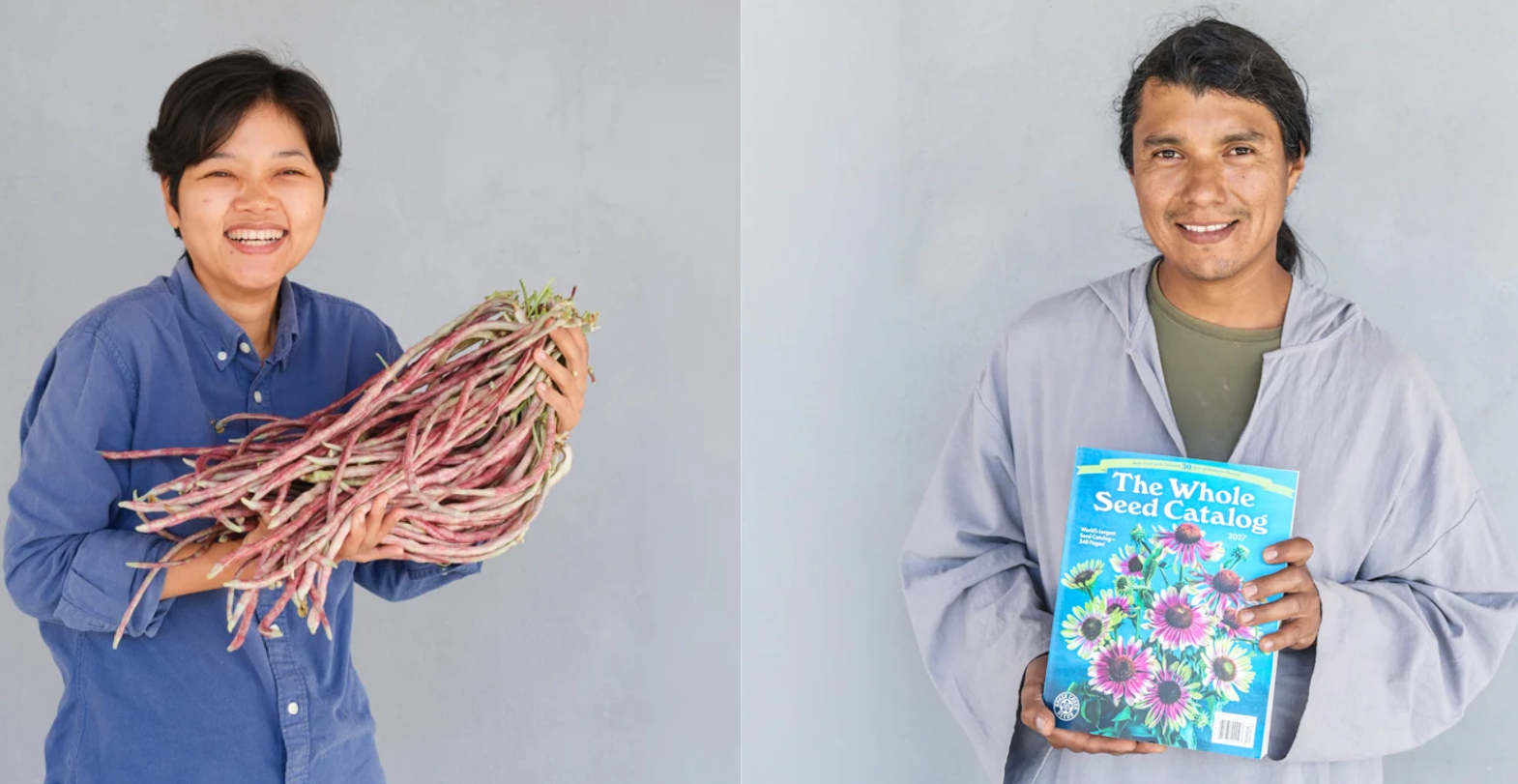
Baker Creek is pretty famous, not just for their heirloom seeds but also for their glossy catalog. I have been the recipient of their catalog for several years now, and there’s just something deliciously antiquated about flipping through the pages, circling as you go without the hassle of having to wait between four and six weeks for a delivery.
They are a premier destination for options that you will never find at your local garden center.
Standards and Certifications
Baker Creek carries exclusively open-pollinated, non-GMO seeds and has signed the Safe Seed Pledge. Many of their seeds are grown using organic practices, and they offer a certified organic subset, but the company as a whole is not 100% USDA Certified Organic.
Average Price per Packet
$3.50 to $5 per packet (with free standard shipping on U.S. orders, making small orders very economical)
Germination Rates
Baker Creek sets its internal minimum germination standards higher than federal requirements and conducts soil germination tests on every variety they sell. If a rare lot falls slightly below standard, they overpack the packet and clearly label it “overpacked due to low germ.”
Where to Buy
Online at RareSeeds.com, via their free or collector’s printed catalogs, or in person at their Mansfield, Missouri village storefront and Petaluma, California seed bank
Standout Varieties to Try
- Paul Robeson Tomato: This legendary Russian black-brick heirloom tomato has an earthy, sweet-tart balance.
- Tigger Melon: A small, fragrant, striped Armenian-style melon with vibrant orange and yellow markings and sweet white flesh
- Glass Gem Corn: Love this. Grow it exclusively in my garden. You get translucent, jewel-toned kernels in rainbow shades.
- Kajari Melon: If you want a fast producer you’ll find nowhere else, this copper-red and green-striped heirloom melon from India offers honey-sweet green flesh.
High Mowing Organic Seeds
Best for 100% Certified Organic Rigor and Vigorous Cold-Climate Performance
This company is based out of Virginia, and they were one of the first seed companies in North America to commit to being a 100% certified organic option. They have trial farms in Northern Vermont where you get a very short, cool growing season, which makes everything they offer perfect for anyone living in a cool, Northern climate.
Standards and Certifications
100% USDA Certified Organic and 100% Non-GMO Project Verified across every single packet they sell. While they carry both heirlooms and organic modern hybrids, their heirloom selection is thoroughly vetted for field performance.
Average Price per Packet
$3.50 to $4.75 for home garden packets, with bulk sizes available for market growers
Germination Rates
High Mowing caters heavily to commercial organic farmers who cannot afford crop failures, meaning their germination standards and seed-borne disease screening (such as black rot in brassicas) are among the strictest in the industry.
Where to Buy
Online at HighMowingSeeds.com, through their mail-order catalog, and on seed racks at select independent farm stores and natural co-ops if you can find them
Standout Varieties to Try
- Provider Bush Bean: An heirloom-era classic (developed in the 1960s) that germinates reliably, even in cool spring soil
- King of the North Bell Pepper: A reliable, blocky red bell pepper specifically adapted to ripen fully in shorter, cooler Northern summers
- Lacinato (Dino) Kale: My favorite, blue-green Italian heirloom kale that grows sweeter after a light autumn frost so you don’t have to rush out to harvest
- Danvers 126 Carrot: This is a dependable, broad-shouldered heirloom carrot bred to push through heavier clay or rocky soils without forking.
Botanical Interests
Best for Detailed Packet Instructions and Independent Garden Center Shopping
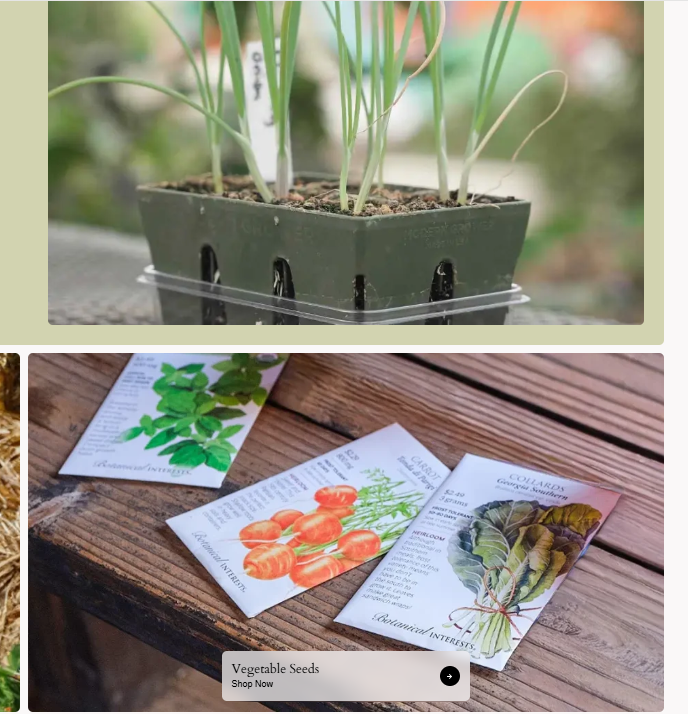
Based in Colorado, Botanical Interests is my favorite for beginners because they have the most informative seed packets on the market. Each packet features custom botanical artwork on the front, while the inside flap is packed with planting depth diagrams, thinning instructions, companion planting notes, culinary tips, and historical lore. Perfect if you are just starting out and eager to learn. And even if you aren’t new to gardening, you might have a lot to learn about the veggies you order, so don’t shy away.
Standards and Certifications
They are a signer of the Safe Seed Pledge (100% non-GMO). They offer hundreds of traditional heirloom varieties alongside a large, clearly labeled USDA Certified Organic vegetable collection.
Average Price per Packet
$2.69 to $3.49 for most vegetable packets, making them very competitively priced for specialty retail seeds
Germination Rates
Every seed lot is tested by accredited laboratories to ensure germination rates meet or exceed federal standards, with seed counts clearly printed on the packet.
Where to Buy
You’ll find them on retail display racks at independent nurseries, local hardware stores, and natural grocery stores (such as Whole Foods and Sprouts) if you’re lucky. I’ve unfortunately never been lucky, so I have to get mine online at BotanicalInterests.com and pay for the shipping (unless I meet the minimum $29 order).
Standout Varieties to Try
- Buttercrunch Butterhead Lettuce: An All-America Selections winner from 1963, this is my favorite buttercrunch because it forms compact, tender rosettes but is slow to bolt in heat snaps.
- French Breakfast Radish: This 19th-century radish has scarlet skin, a crisp white tip, and a mild, peppery flavor that is ready in just 25 days.
- Black Beauty Zucchini: This prolific, dark-green heirloom summer squash thrives in backyard beds and containers alike. Seriously, thrives. I hope you like zucchini with every meal.
- San Marzano Roma Pole Tomato: This is a vigorous indeterminate Italian paste tomato perfect for dense flesh that comes off easily when canning and low moisture content.
Southern Exposure Seed Exchange

Best for Heat Tolerance, Humidity Resistance, and Mid-Atlantic/Southern Gardens
Just like High Mowing Organic Seeds has great options for those in a Northern climate, Southern Exposure Seed Exchange has great options for people in the South or mid-Atlantic. Tangentially, this location means that you get a lot of indigenous vegetable seeds. Southern Exposure Seed Exchange is a worker-owned cooperative based in Virginia that specializes in heirloom and open-pollinated varieties built to withstand July humidity, fungal pressure, or hot nights.
Standards and Certifications
Signer of the Safe Seed Pledge (100% non-GMO). More than 95% of their catalog consists of open-pollinated and heirloom varieties, and roughly half of their offerings are Certified Organic, sourced largely from small family farms in their grower network.
Average Price per Packet
$3.75 to $4.50 per packet
Germination Rates
Southern Exposure conducts continuous in-house germination testing year-round and prints helpful regional notes on soil temperature requirements—such as lettuces that can germinate in soil above 80°F.
Where to Buy
Online at SouthernExposure.com, via their detailed printed catalog, and at select independent nurseries and co-ops across Virginia, North Carolina, and the Southeast
Standout Varieties to Try
- Seminole Pumpkin: An ancient Indigenous heirloom squash cultivated by the Calusa, Creek, and Miccosukee peoples; it shrugs off squash vine borers, powdery mildew, and intense summer heat.
- Alabama Blue Collards: A cold-hardy, heat-tolerant Southern heirloom with striking blue-green leaves veined in purple.
- Cherokee Trail of Tears Pole Bean: This historic heirloom pole bean was carried by the Cherokee people in 1838 across the Trail of Tears. It produces prolific purple-tinged green pods and glossy black dry beans (but check availability, as this one is popular and it ebbs and flows).
- Anuenue Lettuce: This is a heat-tolerant crisphead-leaf lettuce developed in Hawaii that resists bitterness and bolting in warm weather.
Johnny’s Selected Seeds
Best for Commercial-Grade Germination Data and Dependable Performance
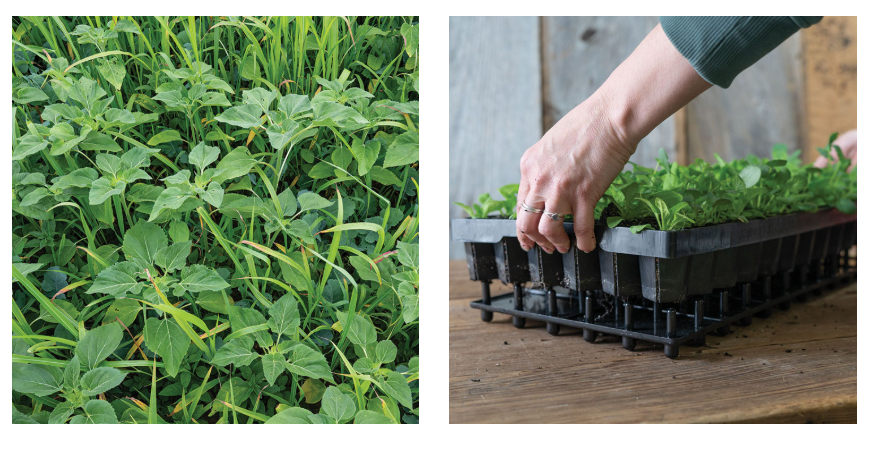
Johnny’s Selected Seeds is my go-to for bulk seeds for cover crops. However, this employee-owned company out of Maine is still the gold standard for small-scale market farmers or more serious backyard growers. The company is famous for its proprietary F1 hybrids, and they also maintain an exceptional, rigorously trialed collection of heirloom and certified organic seeds.
Standards and Certifications
Original signer of the Safe Seed Pledge (100% non-GMO). They offer hundreds of USDA Certified Organic varieties tested under organic conditions at their Maine research farm.
Average Price per Packet
$4.50 to $5.75 per packet. While slightly pricier per packet than big-box brands, seed counts are generous, and quality control is unmatched.
Germination Rates
Germination rates are where this company shines. Johnny’s sets the industry benchmark for transparency. Every single packet is stamped with the exact germination percentage from that specific seed lot’s most recent lab test, along with the test date, so you know precisely how thickly to sow.
Where to Buy
Unfortunately you can only buy them online at JohnnySeed.com or through the mail-order catalog.
Standout Varieties to Try
- Chioggia Guardsmark Organic Beet: This is a more modern take on the classic 1840s Italian heirloom beet with concentric candy-striped pink and white rings inside, just like a candy cane.
- De Cicco Organic Broccoli: If you love broccoli, you’ll love the 1890 Italian heirloom that produces over a long harvest window.
- Purple Top White Globe Organic Turnip: This is a pre-1880 heirloom root crop that delivers mild, sweet white roots and nutritious greens.
- Brandywine (Sudduth’s Strain) Tomato: A benchmark pink beefsteak heirloom, with an old-fashioned tomato flavor.
MIgardener
Best for Budget-Friendly Heirloom Gardening Without Sacrificing Variety
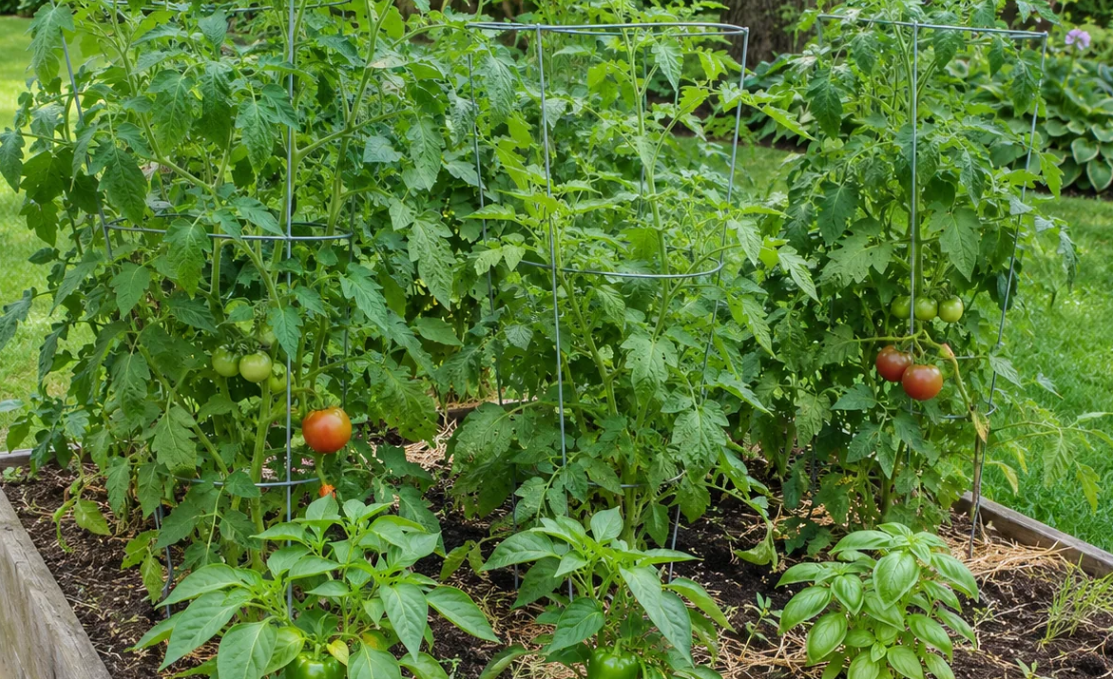
As their name suggests, this company is based out of Michigan. They are pretty young, founded in 2011, but they focus on providing heirloom vegetable seeds that aren’t $5 per packet. They have more than 750 open-pollinated and heirloom varieties that are all offered at the same flat price point, which is great, but it’s greater if you live in Michigan; otherwise you have to order online and wait for a delivery.
Standards and Certifications
100% non-GMO, open-pollinated, and heirloom
Note: Their seeds are not USDA Certified Organic, but they are untreated and sourced for sustainable home gardening.
Average Price per Packet
~$2.20 per standard packet across their core seed line (with free shipping on seed orders over $19.99)
Germination Rates
Seeds meet federal germination standards.
Where to Buy
Pretty limited; online at MIgardener.com or at their retail storefront in St. Clair, Michigan.
Standout Varieties to Try
- Giant Crimson Tomato: A historic heirloom beefsteak known for producing massive, bright-red slicing tomatoes perfect for an equally massive burger.
- Bloomsdale Long Standing Spinach: A 19th-century heirloom spinach with thick, dark-green, crinkled leaves. Bonus, these won’t bolt as fast as other strains.
- Waltham Butternut Squash: A staple heirloom winter squash bred in Waltham, Massachusetts, which has a long winter storage life.
- Copenhagen Market Cabbage: My go-to early-season heirloom cabbage introduced in 1909. It has dense, sweet, crack-resistant heads, which, I learned the hard way, is important.
Ferry-Morse
Best for Walk-In Retail Convenience and Accessible Heirloom Staples
Specialty mail-order catalogs will give you a lot of rare options, but most gardeners just want the staples, and they want them on whichever Saturday morning the weather is right and they wake up with enough gumption.
That’s why I love Ferry-Morse. The company has been around since 1856. They are one of the oldest operating seed companies with the widest accessibility. You can find them pretty much anywhere, and they have a wonderful mix of hybrid and open-pollinated heirloom vegetable seeds at great prices.
Standards and Certifications
Signer of the Safe Seed Pledge (100% non-GMO). Ferry-Morse offers a clearly marked Heirloom badge on traditional varieties alongside a dedicated USDA Certified Organic line (and uses non-neonicotinoid practices across its offerings).
Average Price per Packet
$3.95 to $4.95 for organic and heirloom packets (with conventional staple packets often priced around $2.49 to $3.95 at big-box retailers)
Germination Rates
All seeds are tested to meet or exceed federal germination standards.
Note: Their packet seed counts are often smaller than specialty catalogs, making them best suited for standard backyard beds rather than large market plots.
Where to Buy
Pretty much anywhere that seeds seeds, like retail racks at Home Depot, Lowe’s, Walmart, Target, Ace Hardware, and major grocery chains nationwide, as well as online at FerryMorse.com
Standout Varieties to Try
- Brandywine Pink Fruited Organic Tomato: Easy to grow, organic pink beefsteak tomato that is indeterminate
- Straight Eight Organic Cucumber: A 1935 All-America Selections heirloom slicing cucumber that will give you uniform, eight-inch dark green fruits, straight as a ruler
- Georgia Southern Collards: Perfect for traditional, slow-bolting greens that tolerate both summer heat and light frosts
- Hearts of Gold Organic Cantaloupe: A ribbed 1890s heirloom melon with fragrant, sweet, bright-orange flesh
Summing Up
The best heirloom vegetable seeds will vary based on whether you are prioritizing organic seeds, budget seeds, local retail convenience, or climate. And there is nothing stopping you from picking and choosing across multiple seed companies.
If you want rare American heirlooms from a company that is focused on preservation, try Seed Savers Exchange, but head to Southern Exposure for indigenous options or High Mowing if you live in the North. But for all-around basic staples, nothing beats Ferry Morse in terms of quality, price, and availability.