

- Best Herb Seeds for Home Gardens - October 23, 2026
- Best Pollinator Seed Mix to Transform Your Home Garden into a Wildlife Haven - October 15, 2026
- Ferry-Morse vs. Botanical Interests: Which Seed Brand is Better for Home Gardeners? - September 25, 2026
For anyone who enjoys food, especially if you’re a fan of preparing it, it’s clear that herbs have a special place in creating those tantalizing flavors we all savor. From basil-rich pasta sauce to tangy, dill-infused ranch dressing to savory stuffing with plenty of sage, herbs show up in many of our favorite foods. Being able to grow these delightful culinary companions takes our enjoyment in using them to the next level.
Having an interest is one thing, but turning that interest into a living thing that eventually produces your favorite herb is something else entirely. To take the germ, if you will, of an idea and proliferate it into your very own herb garden takes some real-world steps. If this is an adventure you’re eager to take, you’re in the right place.
Planting Basics
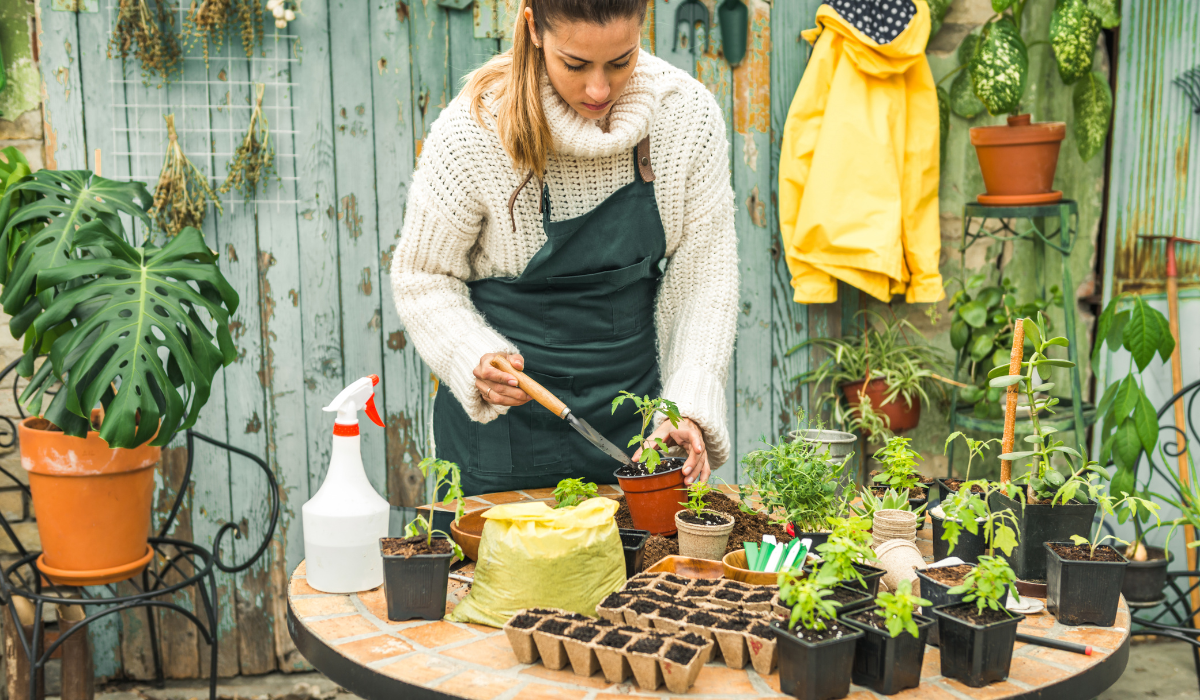
As much as we all want to cut to the chase when starting a new endeavor, it can be invaluable to brush up on the basic elements that comprise what we’re embarking on. For example, when is a good time to plant? How deep do I plant the seeds? How does where I live factor into this equation? Also, how difficult is this plant to grow, and is it an annual or a perennial? Let’s answer some of these questions first!
When to Plant Herbs
For most herbs, the best time to plant is in the spring (March to May) after you’re clear of the last frost and the soil temperatures have begun to warm. For some hardy perennials, early fall is also a good option.
In the spring, a good rule of (green) thumb is to plant when the temperature of the soil is consistently between 65 and 70 degrees. Even warmer if you’re planting a heat-loving annual like basil. For fall planting, August and September work well for hardy varieties like chives, sage, oregano, rosemary, and thyme.
Optimal Planting Depth
This step is crucial. Seeds are very small, and if you plant them too deep, they may not sprout. The general rule for these little wonders is to plant them at a depth of two to three times the seed’s width. This means you must tune in, respond to your individual seed, and adjust accordingly. If you’re bumping a starter herb up into a larger pot or a garden bed, a good method is to plant level with the soil and avoid planting too deep.
Geographical Considerations
Your USDA hardiness zone is a key factor in choosing which herbs to grow and when to start them. Most herbs require six or more hours of sunlight daily, so if you live in Zones 3–5 with a short growing season and harsh winters, you’ll need to start your herbs indoors between February and March and transplant after the last frost. If you live in Zones 6–7, where seasons are moderate, you can start herbs indoors in December or January and transplant after the last frost. In Zones 8–10, where winters are mild and summers are hot, you can double-plant in spring and fall, keeping in mind which herbs prefer heat and which thrive in cooler temps. For those in Zones 11–13, where tropical conditions and extreme heat prevail, plant herbs in early spring and late fall, keeping in mind that many will be annuals in these conditions.
How Does Your Garden Grow?
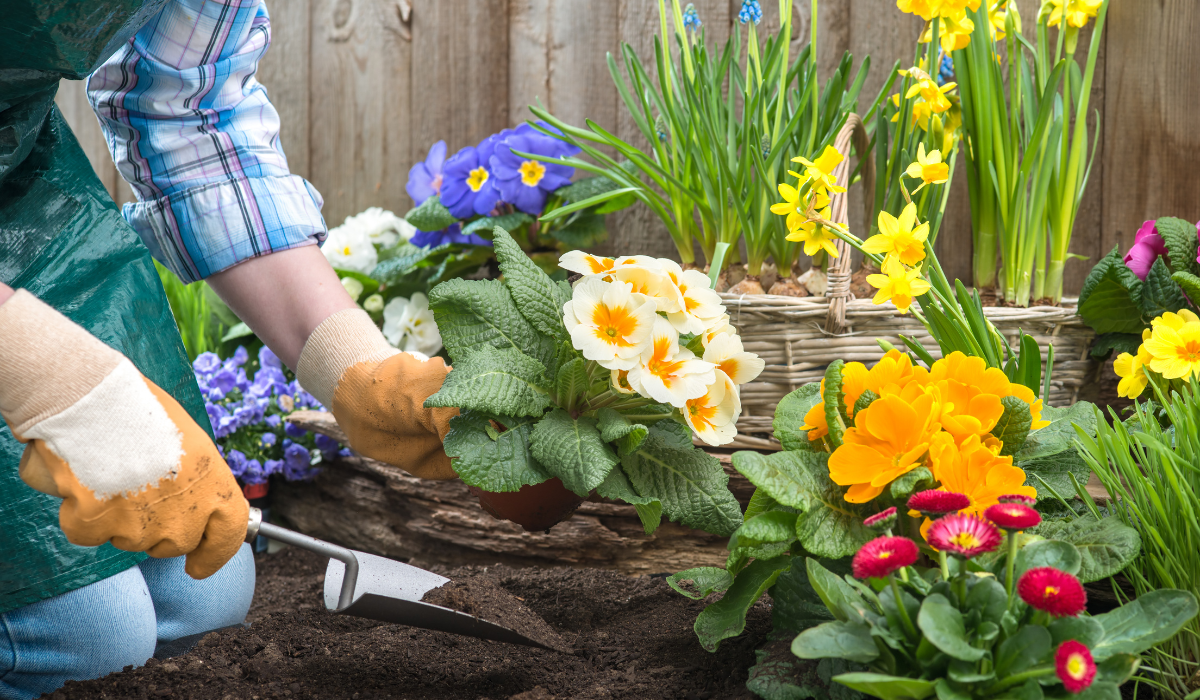
Now that we’re up to speed on seed-planting basics, let’s get into the fun stuff: choosing who gets a place in our garden. To keep things spicy, let’s include some richly diverse variety. For organization’s sake, we’ll break our list into annuals and perennials.
Alluring Annuals
Amongst the annuals, there are many delightful herbs to choose from. For lovers of Italian food, it’s essential to have some basil. For those who crave south-of-the-border flavors, cilantro is a must. For pickle lovers, dill is a must-have. For those who enjoy cranking up the flavor of soups and salads, parsley is a genuine crowd-pleaser. Let’s take a closer look at each of these.
Basil
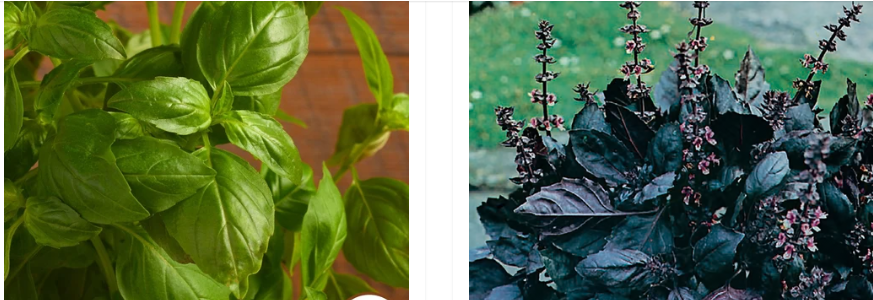
This herb delivers some seriously distinctive flavors, from pasta sauce to pesto. It’s also easy to grow. It likes full sun, well-drained soil, and regular watering, and it’s suitable for containers or indoor growing. Basil likes warmth, so for an early start, germinate seeds indoors four to five weeks before the last frost. You can also direct-sow once the soil stays consistently above 70 degrees. It comes in many varieties, ranging in color from the common bright green to a deep burgundy. It is great as a fresh herb and also suitable for drying; its versatility and popularity have earned it the moniker “King of the Herbs.”
Cilantro
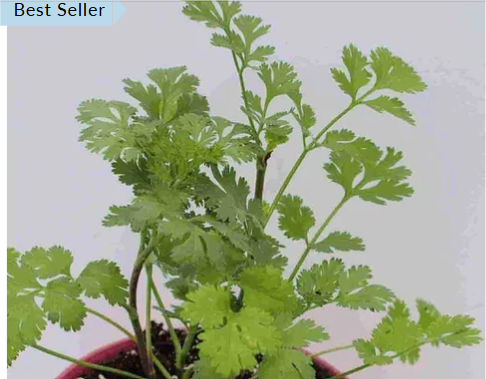
This fragrant green herb adds a quintessential flavor to salsa and guacamole and a citrusy freshness to Asian and Indian dishes like curry; its dried seeds provide the nuttier, warmer flavor of coriander. Cilantro likes temperatures below 70 degrees and has a tendency to bolt. For this reason, it is optimally planted after the final frost in the spring or in the fall. It likes well-drained, slightly acidic soil, full sun (or afternoon shade in warmer temperatures), and regular watering. It grows well in pots with at least eight inches of soil and indoors, provided it gets six or more hours of sunlight.
Dill
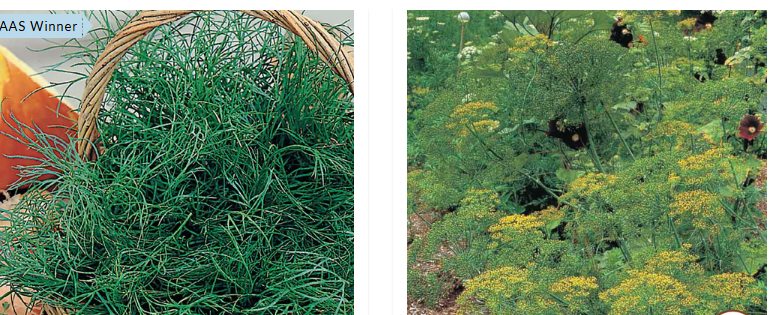
This tall, elegant herb is delightfully aromatic, with citrusy, grassy, fresh flavors. It has two parts that people commonly consume: the feathery leaves, or dill weed, and the dill seeds, which lean more toward anise (licorice) and caraway in flavor. Its flavors are a boon to seafood, salads, and dressings (like ranch and tzatziki). Dill thrives in full sun and well-drained, slightly acidic soil. It requires regular watering and care not to waterlog. It’s best to direct sow dill after the last frost because its taproots are sensitive to transplanting. You can grow it in containers, but they must be at least 10 inches deep, and the plants will likely need bracing because of their height.
Parsley
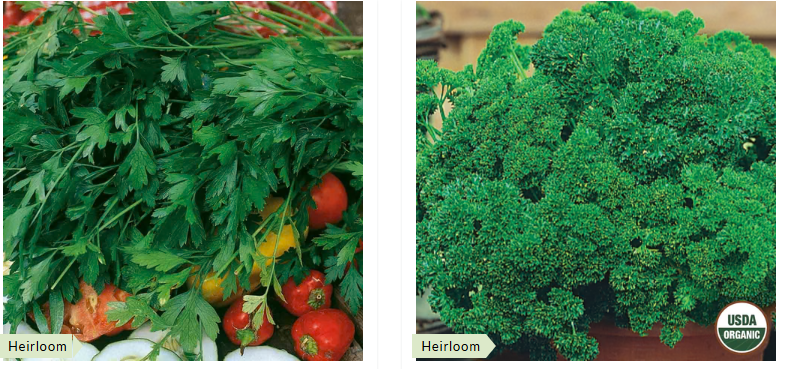
This dark, leafy, lovely herb boasts an earthy, clean, and slightly peppery flavor. It’s grassy and fresh, helping to balance acidity and brighten dishes without being overpowering. Curly parsley is the variety most often seen as a garnish, while flat-leaf Italian parsley is the one most commonly used in soups and stews. It’s a primary flavor in tabbouleh, gremolata, chimichurri, and salsa verde. Parsley favors cooler seasons like spring or fall and partial shade to avoid bolting. It thrives in well-drained, moist soil and is slow to sprout. It’s a good idea to soak the seed before germinating, and once growing, it responds well to regular fertilizing. It can be grown in containers, provided they are at least 10 inches wide and receive six or more hours of sunlight.
Promising Perennials
The beauty of perennials is that they are a gift that keeps on giving. They can be used as attractive landscaping as well as a source of delectable flavors or fragrant delights. Considering we’ve already got parsley on our list, why not add some sage, rosemary, and thyme to round out the words to that familiar old song? For some floral fragrance and zingy tea leaves, let’s throw in lavender and mint. With our perennials selected, it’s now time for the deep dive.
Sage
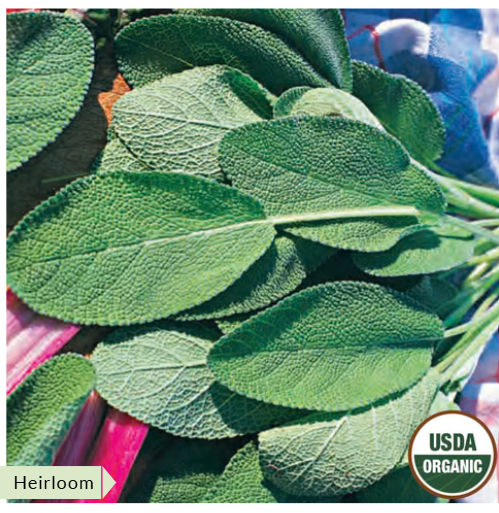
Ranging in color from pale green to deep lavender, sage is prized for its culinary, medicinal, and spiritual uses. Its earthy, savory flavor makes it a great companion for grilled meats and a primary ingredient in stuffing, many types of sausage, and compound butter. Sage likes full sun and well-draining soil; the top few inches can dry out between waterings, as it is drought tolerant and prone to root rot if the soil stays too wet. Give plants 18 to 24 inches of space between them, and prune regularly to promote air circulation and prevent disease. Start seeds six to eight weeks before the final frost, and plant once the soil is consistently above 60 degrees. Sage thrives with six to eight hours of sunlight.
Rosemary
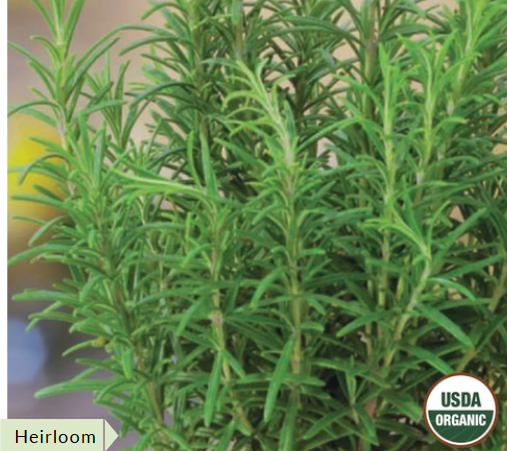
This dark, piney herb adds aromatic goodness to roasted meat and vegetables and is a staple in baked goods, marinades, and infused oil. Rosemary hails from a Mediterranean climate and thrives in six or more hours of full sun and loamy, well-drained soil. It grows profusely, so be sure to leave two to three feet between plants for ample circulation. It is drought tolerant and should be allowed to dry out completely between waterings to prevent root rot. Plant in spring after the danger of frost has passed or in fall in Zones 8 and above. Rosemary is not deep-cold tolerant, so in Zones 7 and below, plant in pots in well-draining soil, and bring them indoors before the frost, or cover in-ground plants with plenty of mulch.
Thyme
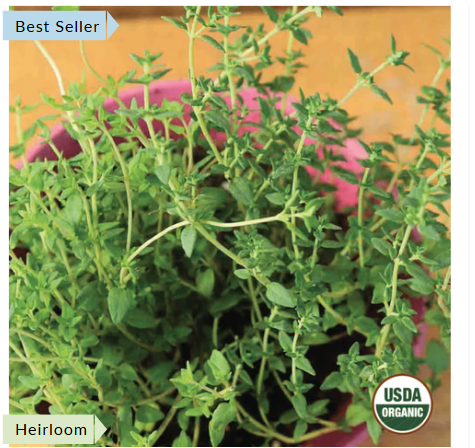
Another Mediterranean herb, this aromatic beauty is a staple in French, Italian, and Spanish cuisine. A great companion to meat and roasted vegetables, it also appears frequently in soup, stew, and compound butter. As an added bonus, thyme naturally deters pests, making it a great companion for vegetables like tomatoes and cabbage that are frequent pest targets. Thyme is an incredibly hardy, drought-tolerant herb that flourishes in six-plus hours of full sun, in well-drained, nutrient-poor soil. Avoid overwatering or fertilizing, as it can cause rot and reduce flavor. Plant eight to 12 inches apart after the last frost in spring, once the temperatures are above 70 degrees. Mulch with gravel or sand to improve drainage over winter. For containers, use well-draining soil and provide plenty of sunlight and minimal watering.
Lavender
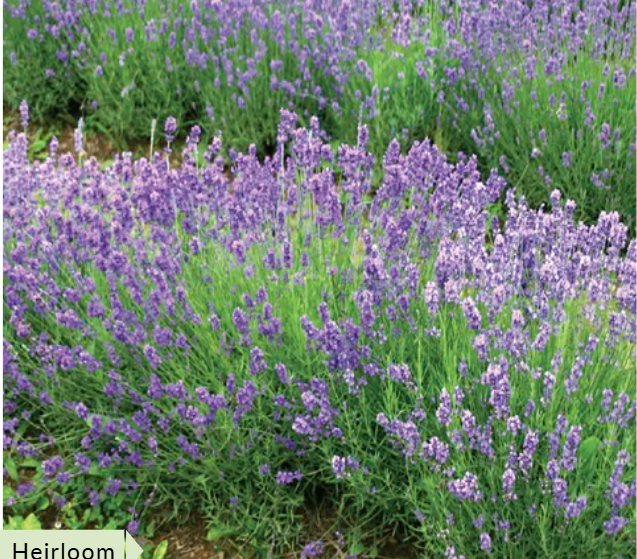
This fragrant beauty is a wonderful addition to any garden. Its lovely purple flowers are often used in aromatherapy, baked goods, teas, and cocktails. Another natural insect repellent, it can beautify and protect your growing space. Lavender craves six-plus hours of full sun, well-drained, slightly alkaline soil, and minimal watering once established. Plants want 12 to 36 inches of space and should be planted after the last frost in spring or before the first frost in fall. If growing in containers, use a gritty mix of sand, topsoil, and mulch, and bring indoors in colder climates.
Mint
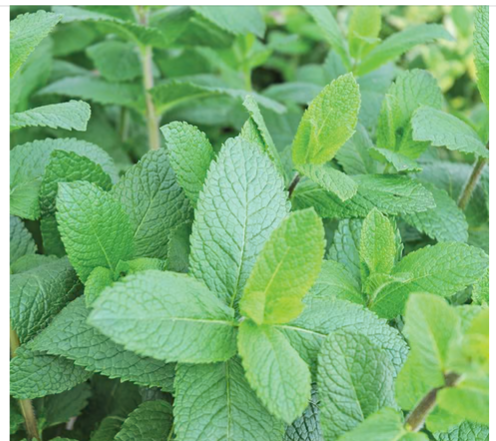
This versatile herb has many culinary, medicinal, and household uses. It makes exceptional tea, pairs beautifully with lamb, and is a key ingredient in tzatziki, chimichurri, tabbouleh, and chutney. It also helps manage pests and benefits other plants in your garden. Mint thrives in full sun to partial shade and well-drained, nutrient-rich soil with regular watering. It is a vigorous perennial and can become invasive, so root mats or pots are recommended to contain its spread.
Seed Sourcing
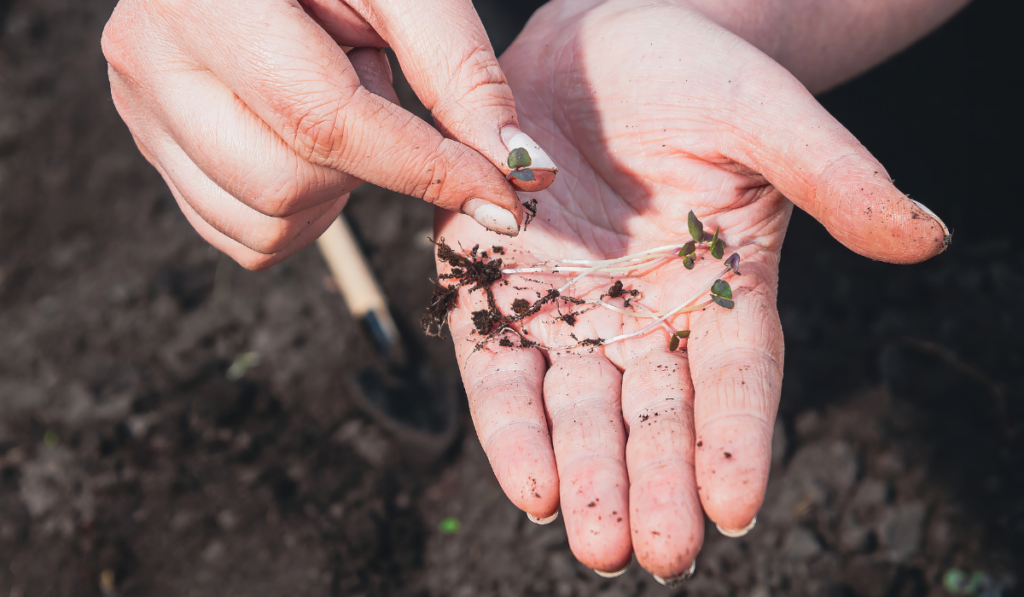
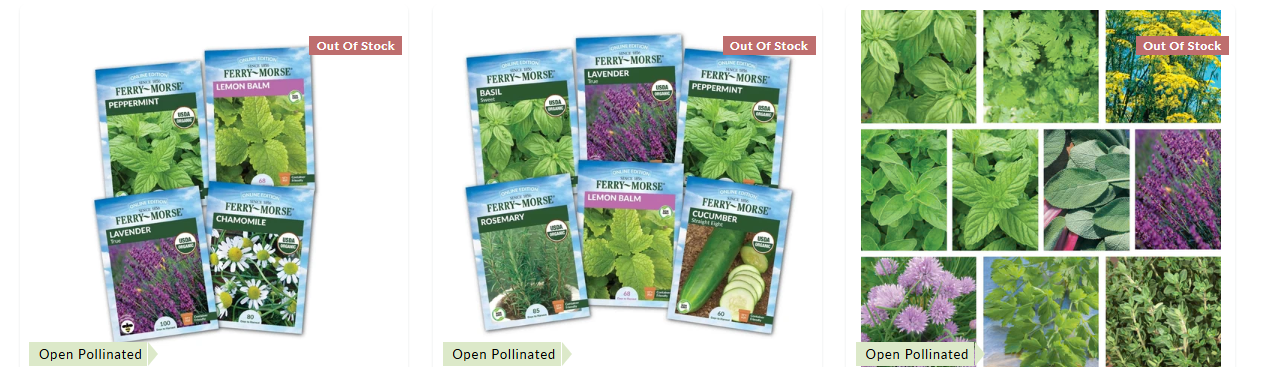
Now that we know what we’re growing, it seems pertinent to discuss where we’re sourcing our seeds. For those of us who enjoy easy-to-find, affordable, reliable seeds with plenty of variety, Ferry-Morse is a great option. They have a simple-to-navigate website and are available at many accessible retailers, including Home Depot and Walmart.
If, on the other hand, you’re looking for something a little more boutique, I like Sereniseeds for their all-organic, beautifully curated seed mixes. If their delightful drawings of herbs on the front of the packet don’t get you going, their collections will. For example, their 10-herb seed mix contains Italian basil, Thai basil, lavender, sage, thyme, oregano, cilantro, chives, dill, and parsley. It’s like they were reading my mail; those are all plants I adore.
The Takeaway
Herbs are a beautiful, diverse way to spice up our gardens and culinary adventures. With a little care and planning, we can easily grow a wide array of annual and perennial herbs and bring the world’s flavors into our homes. With seed retailers like Ferry-Morse and Sereniseed, we can access our chosen delights with ease, and what’s not to like about that?